

The pipeline burst in late 2023, and for a moment, the future looked uncertain.
After years of construction and cost escalation, Fortescue's Iron Bridge magnetite plant had finally found its rhythm. Premium concentrate was flowing toward Port Hedland at prices that validated the entire ambitious vision. Then a 65-kilometer section of the raw water pipeline started leaking into the Pilbara soil, and shipment forecasts collapsed from 5 million tonnes to 2 million.
Most companies would have hedged. Fortescue doubled down.
The response was swift and decisive: commit another US$100 million to replace the pipeline, implement water banking to capture every drop of rainfall, and maintain the same unwavering message they'd been delivering since 2019. Iron Bridge isn't just another mine—it's a demonstration of what Australian mining can become when it aims higher than good enough.
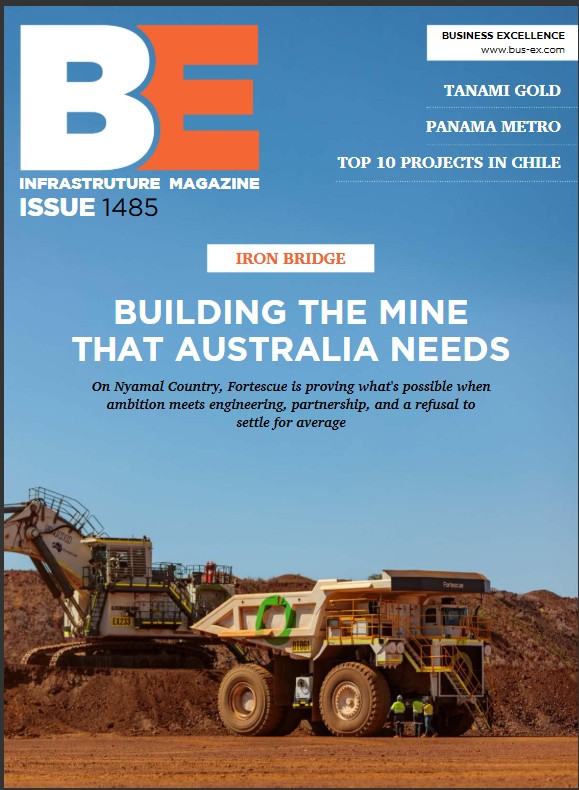
Standing 145 kilometers south of Port Hedland on Nyamal land, Iron Bridge is teaching the industry what premium iron ore actually requires. Not just capital—though at US$4 billion there's plenty of that—but vision, resilience, partnership depth, and the courage to build something that looks less like traditional mining and more like an integrated industrial system that happens to start with magnetite ore.
The headlines focused on delays and cost overruns. The real story is about the hundreds of businesses—from multinational EPCs to specialized Pilbara contractors—that are collectively solving problems nobody had faced at this scale before. About Traditional Owners who moved from contracts to equity. About engineers who are proving that Australia can compete in the premium iron ore market that green steel will demand.
At 67% iron content and commanding US$28-per-tonne premiums, Iron Bridge concentrate isn't just working—it's showing the industry what becomes possible when you refuse to accept that "good enough" is good enough.
This is the story of how they're building it.
The Ore That Demands Excellence
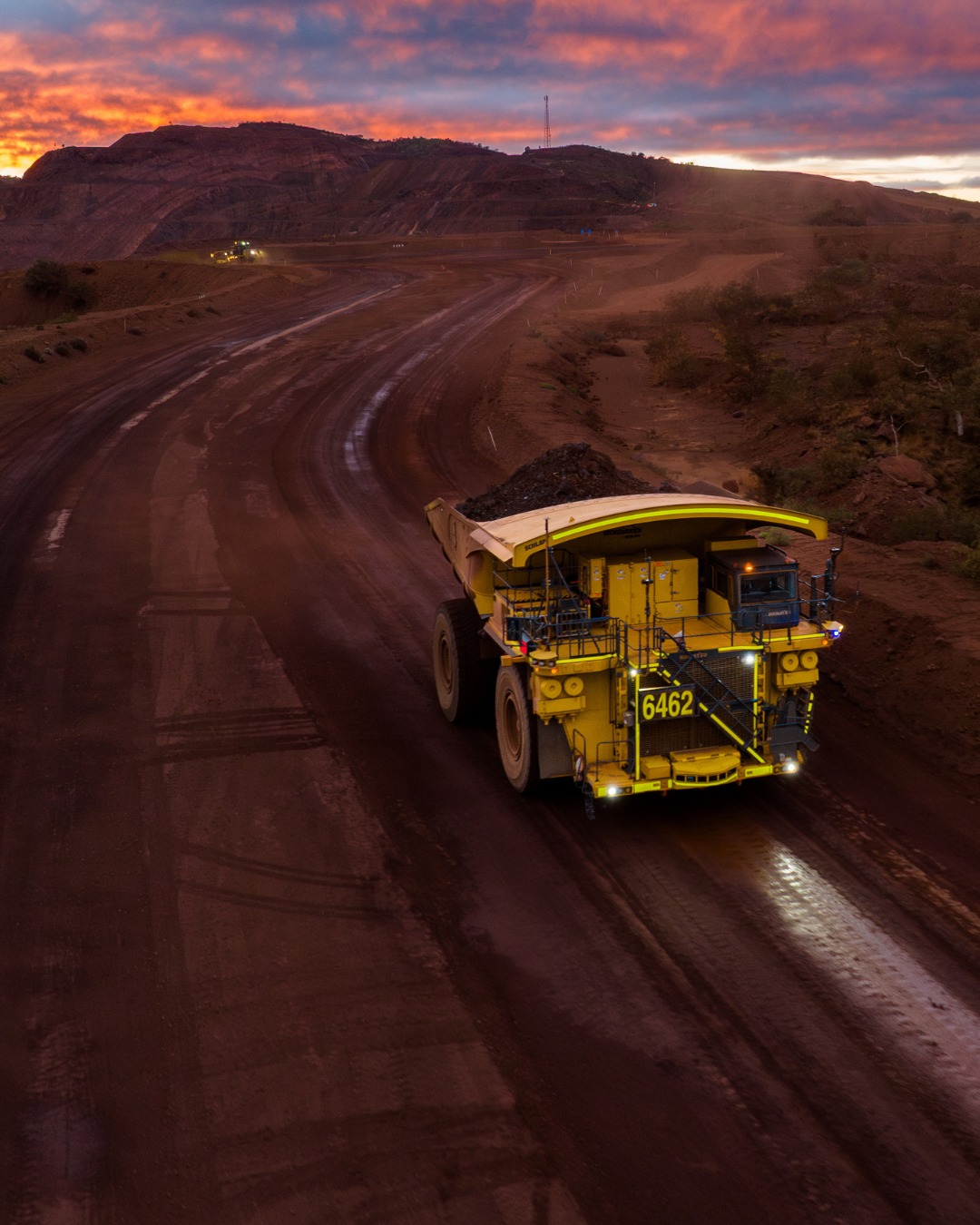
Walk into most Pilbara iron ore mines and you'll see elegant simplicity: massive trucks hauling rock that gets crushed, screened, and loaded onto trains. Iron Bridge is something else entirely.
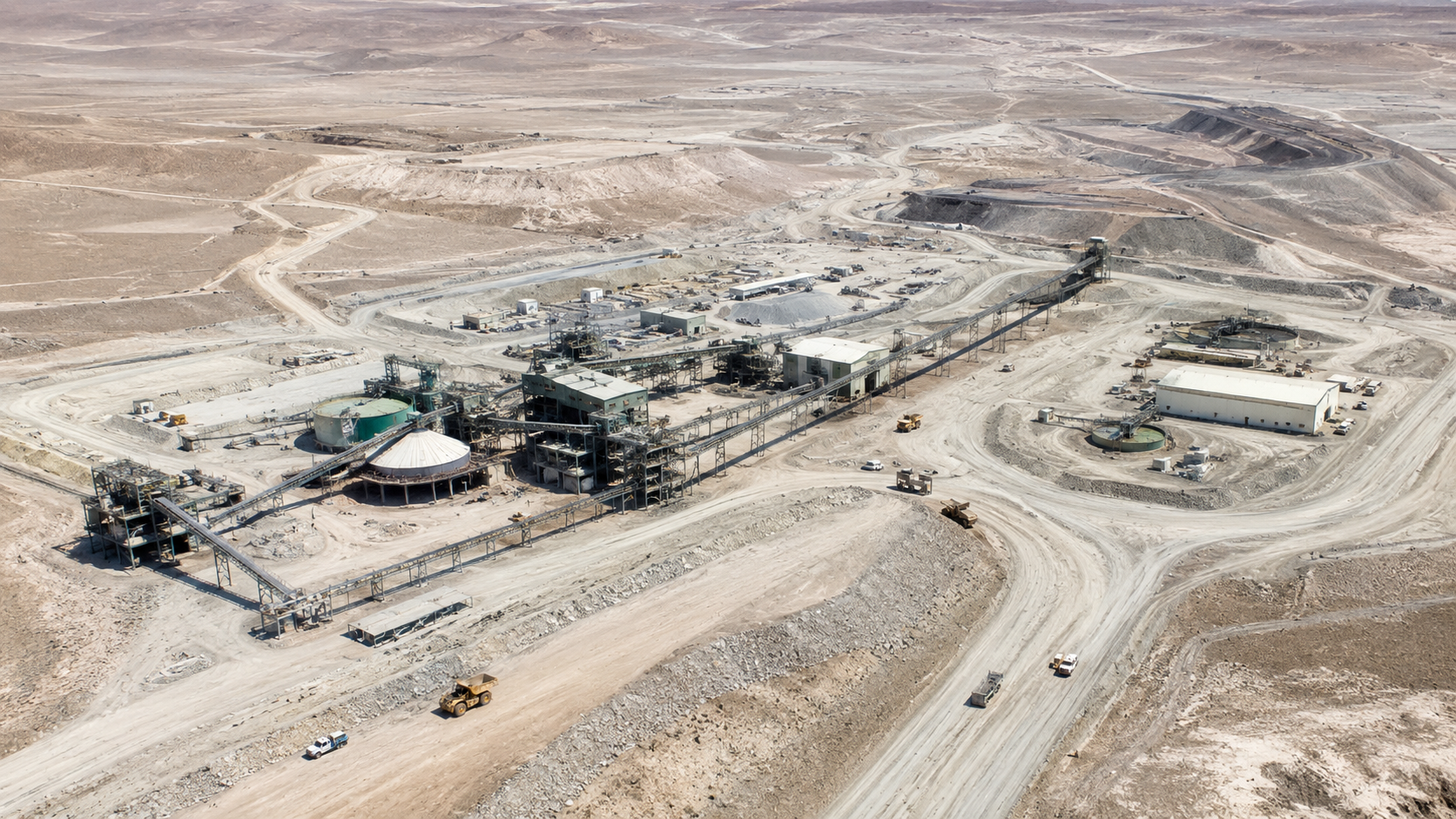
The processing plant hums with precision. Massive high-pressure grinding rolls pulverize magnetite ore into particles finer than talcum powder. Air classifiers separate fractions with exacting precision. Magnetic drums extract concentrate from slurry. The entire operation consumes enough electricity to power a city, but every kilowatt is justified by what emerges: concentrate at 67% iron, the kind of premium product that steel mills building low-emission furnaces will pay extra to secure.
This is magnetite's promise and challenge. The ore bodies—North Star, Glacier Valley, Eastern Limb, West Star—contain value locked inside hard rock that demands transformation, not just extraction. The flowsheet reads like advanced materials processing because that's exactly what it is.
Getting the comminution circuit right required specialists who understand the margins are measured in microns. Reflex Instruments Asia Pacific supplied down-hole surveying tools that helped map the ore bodies with precision, ensuring every tonne mined justified the energy to process it. Boart Longyear Australia delivered drilling services and equipment that could handle the hard magnetite formations, their rigs working round-the-clock to define the resource and keep the mine plan ahead of the processing plant's appetite.
Dino Otranto, Fortescue's metals and operations chief, frames it clearly: "Iron Bridge is critically important in the energy transition to make green iron." The world is learning to make steel without wrecking the climate, and that new world demands better iron ore than most of Australia currently produces. Iron Bridge is demonstrating that Australia can deliver.
The journey hasn't been smooth, but every challenge has driven innovation that's making the operation more robust, more efficient, more capable of hitting the ambitious targets that once seemed aspirational.
Building the Water Infrastructure That Makes It Possible
The engineering challenge at Iron Bridge starts with a simple fact: magnetite processing needs water, and the nearest reliable source is 220 kilometers away in the Canning Basin—roughly the distance from London to Paris.
So Fortescue and its partners built not just a pipeline, but a complete water management system. The raw water line from the Canning Basin. Twin 135-kilometer pipelines to send concentrate slurry to Port Hedland and return process water to site. Storage facilities to capture and bank water onsite. Monitoring systems to track every gigalitre. The total water infrastructure represents hundreds of millions in investment and some of the most sophisticated remote pipeline engineering in Australian mining.
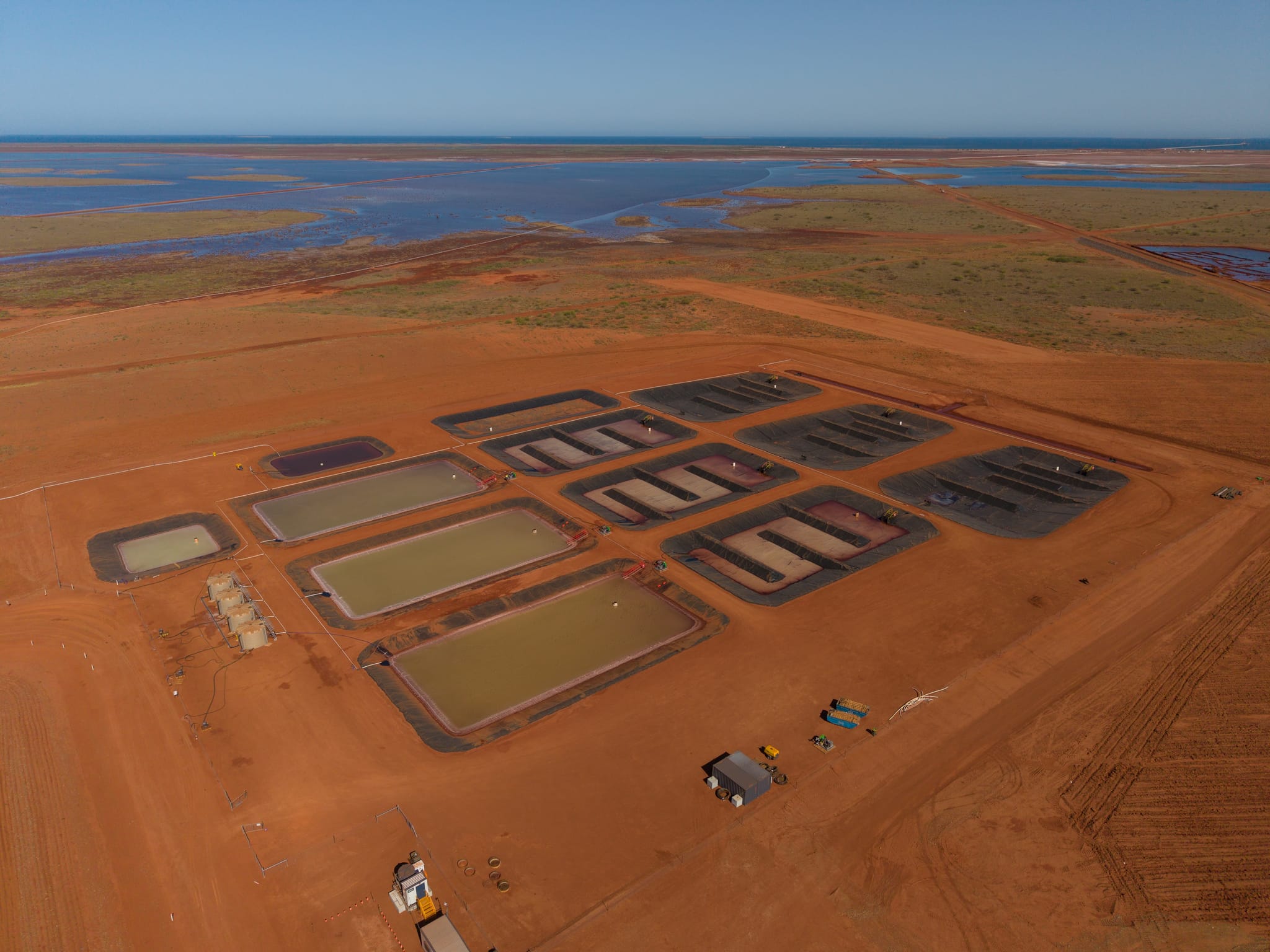
When the high-pressure section began showing stress, the response demonstrated the maturity of the project team. Rather than compromising, they committed US$100 million to replace the suspect section with upgraded specifications. Operations teams simultaneously implemented water banking—capturing rainfall and process water in onsite storage—to buffer the plant against any future pipeline interruptions.
Pentium Hydro brought specialized expertise to the hydraulic systems, ensuring pumps and flow control could handle the precise pressures and volumes the process demands. Clover Pipelines Mining and Resources contributed to pipeline construction and integrity work, their crews understanding that in magnetite operations, pipeline reliability isn't just important—it's foundational.
The fix is more than just new pipe. It's a commitment to the long-term vision, backed by capital and operational discipline. Site teams now manage roughly 0.8 gigalitres of onsite water storage, creating resilience that means the plant can maintain steady operation even during pipeline maintenance.
Meanwhile, the decarbonization work is accelerating. The 100-megawatt North Star Junction solar farm is feeding the grid, with Energy Power Systems Australia providing critical power infrastructure and control systems that allow renewable energy to integrate seamlessly with industrial processing loads. A 50-megawatt battery—the grid-forming kind that can stabilize intermittent solar without fossil backup—is being commissioned. Electric excavators are moving ore. Andrew Forrest states Iron Bridge is an “obvious choice to be considered as one of our first decarbonised, fossil fuel free sites” as Fortescue pursues real zero by 2030.
The vision is clicking into place: a magnetite operation powered by Pilbara sun, processing premium concentrate for steel mills that care about both quality and carbon footprint.
The Engineering Ecosystem That Makes Excellence Routine
Behind Iron Bridge's emergence as a producing mine is a dense network of capability—multinational contractors working alongside specialized Australian firms, each contributing pieces that interlock into a functioning whole.
CPB Contractors anchored the construction phase, delivering the concrete foundations and structures for a wet processing plant that has to absorb constant vibration from grinding mills without degrading. InfraBuild supplied 4,000 tonnes of reinforcing steel into those foundations, engineering the hidden skeleton that ensures longevity. Civmec delivered structural steel, mechanical systems, and electrical installations across the ore processing facility. SIMPEC built the wet processing plant itself under a A$145 million contract, drawing on Pilbara labor and training locals on industrial processing systems.
But scale alone doesn't create a functioning mine. That requires depth—the specialized contractors who solve problems that only reveal themselves when equipment meets ore meets Pilbara conditions.
MACA Civil brought earthmoving expertise to site development, shaping landforms and drainage that can handle both flooding rains and months of dust. Their work creates the stable platforms everything else depends on. On the mining front, Thiess runs drill and blast, load and haul, and fleet maintenance, delivering ore with the consistency that keeps the processing plant optimized.
Q.H. & M. Birt contributed structural steel fabrication and specialized metalwork, the kind of precision components that keep materials handling systems aligned under continuous heavy loads. Prothious Engineering Services delivered mechanical and piping expertise to the complex wet processing circuits, where tolerances matter and failures cascade.
The instrumentation and control systems that make the plant responsive rather than just loud came from multiple specialists. Radlink supplied communications infrastructure that keeps remote operations coordinated. ABB delivered the variable-speed drives and motors that make the grinding circuit controllable, squeezing efficiency from every megawatt.
As the plant transitions toward steady-state operation, asset integrity becomes paramount. Bugarrba, an Aboriginal joint venture involving SRG Global, holds a five-year contract for maintenance, rope access, and structural remediation—the crews who work in 45-degree heat to catch problems before they become failures. TKPH brings tire monitoring and management expertise, critical for mining equipment operating in abrasive conditions where tire failures can halt production.
Warrikal, another Aboriginal business, is contributing to operations support services, building capability that will outlast any single project. And when camps needed to be established to house the workforce building all of this? Rapid Camps delivered accommodation infrastructure that made remote construction not just possible but livable.
These aren't just vendors executing scope. They're an interlocking ecosystem where each specialist enables the others. The processing plant works because the power systems are reliable. The power systems work because the infrastructure is maintained. The maintenance works because communications are solid. Everything connects.
It's this depth of capability—multinational scale combined with specialized expertise and local knowledge—that's allowing Iron Bridge to mature from ambitious concept into productive reality.
What Partnership Looks Like When It's Done Right
The most transformative aspect of Iron Bridge might not be the technology. It might be the redefinition of what partnership means.
Nyamal Holdings—the business arm of the Nyamal people, on whose country Iron Bridge operates—owns a fleet of contour drill rigs, stemming loaders, and platform rigs worth A$18 million. Not leasing. Not operating under contract. Owning. The equipment sits on Nyamal's balance sheet, generating revenue, building equity, creating futures.
This represents a fundamental shift from how mining traditionally engages with Traditional Owners. Instead of royalties that flow through without building capability, or labor contracts that leave no assets behind, equipment ownership creates lasting value. It means Nyamal businesses can deploy these assets into other projects, other opportunities, other visions of what economic self-determination looks like.
By late 2023, Fortescue had channeled over A$370 million in contracts to Nyamal-owned businesses through Iron Bridge. That's not symbolic procurement—it's a transformation of the local business landscape, creating companies with balance sheets, capability, and confidence to compete for work anywhere.
Gavin Mitchell, chair of the Nyamal Aboriginal Corporation, describes it as "a significant contract for the Nyamal people," providing training, employment, and deepening commercial relationships. But the numbers tell a bigger story: 3,000 construction jobs, 900 ongoing operational roles, and a growing cohort of Nyamal businesses that have moved from labor hire to delivering heavy civil works, asset maintenance, drilling, and plant operations.
Cundaline Resources, a 100% Aboriginal-owned business, exemplifies the trajectory. Starting with labor hire, they've grown into delivering earthworks and mechanical services on the West Canning Basin water transfer infrastructure, building the track record and capability to bid on larger scopes.
Fortescue's Billion Opportunities program, which targets procurement from Aboriginal businesses across all operations, is using Iron Bridge as proof that Indigenous economic participation can scale into the hundreds of millions when companies design it into projects from the start, rather than adding it as afterthought.
The conversation among Nyamal elders now extends beyond contracts to deeper questions: equity positions, joint ventures, seats at the table where strategic decisions get made. Iron Bridge has given them the leverage and credibility to have those conversations from a position of strength.
The Premium Product the Market Was Waiting For
While engineers were managing the pipeline challenge, the commercial team was discovering something remarkable: steel mills were willing to pay significantly more for Iron Bridge concentrate than anyone had conservatively forecast.
In December 2023, Iron Bridge magnetite was realizing prices about US$28 per tonne higher than standard Fortescue hematite—roughly a 25% premium. At nameplate production of 22 million tonnes per year, that premium translates to around US$600 million in additional annual revenue compared to equivalent-volume hematite production.
The premium isn't arbitrary. Steel mills building hydrogen-based direct reduction plants and low-emission furnaces need high iron content, low impurities, and consistent specifications. They need exactly what takes a US$4 billion processing plant to produce. As one steel executive put it privately: "We're not paying for iron ore anymore. We're paying for steel plant reliability, and that starts with input quality."
Iron Bridge concentrate delivers that reliability. At 67% iron, it can be used straight or blended with lower-grade cargoes to lift the overall quality. That flexibility is valuable to both Fortescue and its customers, creating optionality that traditional single-grade operations don't offer.
The strategic positioning is equally important. Analysts have warned that Australia risks losing substantial iron ore export revenue if it doesn't move toward high-grade and green iron products as global steelmaking decarbonizes. Iron Bridge, alongside Fortescue's West Pilbara Fines project and emerging green iron initiatives, represents the company's answer to that structural challenge.
The project has also demonstrated something that extends beyond Fortescue's balance sheet: premium magnetite can be produced in Australia at scale and sold into the seaborne market at prices that justify the complexity. That proof of concept could unlock other magnetite deposits across the Pilbara, potentially reshaping the region's long-term ore mix.
From a capability perspective, Iron Bridge has pushed Fortescue beyond its traditional strength in high-volume hematite mining into precision processing, energy systems integration, and the operational discipline that complex manufacturing demands. Those capabilities position the company for an industry that's evolving from extraction toward materials science.
What Gets Built Becomes What's Possible
Every ambitious project teaches lessons, but Iron Bridge's lessons are particularly valuable because they're being proven in real-time by crews who've learned what works when theory meets Pilbara reality.
Magnetite rewards integrated thinking. The pipeline challenge proved that mining, processing, water, and power can't be modeled as discrete projects. They're one interdependent system where investment in any element strengthens the whole. The water banking strategy, for example, emerged from understanding that buffer capacity in one part of the system creates resilience everywhere else.
Infrastructure resilience combines hardware and culture. The pipeline is being upgraded with better specifications, but the real resilience comes from water banking, process optimization, and an operations culture that treats reliability as non-negotiable. The best infrastructure projects build both the physical systems and the organizational capability to manage them.
Partnership depth creates competitive advantage. The progression from tens of millions to hundreds of millions in Nyamal contracts happened because Indigenous participation was designed into the project from early stages, not added during procurement. Equipment ownership works when Traditional Owners have capital access, training pathways, and governance structures—and when mining companies accept that genuine partnership means sharing both value and decision-making.
Specialized capability is strategic, not tactical. CPB, Civmec, SIMPEC, Thiess, MACA, MPC Kinetic, Pentium Hydro, Boart Longyear, TKPH Pty Ltd, ABB, Energy Power Systems, Bugarrba, and dozens of others aren't interchangeable. Their interlocking expertise defines what's achievable. The contractors thriving at Iron Bridge are those who understood early that they were building an industrial processing facility, not just a mine.
Narrative consistency builds confidence during complexity. While commissioning faced challenges, Fortescue maintained unwavering messaging: Iron Bridge is strategic, premiums are real, green steel is coming. That consistency keeps investors focused on long-term value creation rather than quarterly volatility—and preserved access to capital when the pipeline upgrade required additional investment.
The broader lesson transcends Iron Bridge: when projects are conceived as integrated systems rather than collections of assets, when partnerships are designed for shared success, when specialized expertise is valued over lowest-price tendering, what gets built is not just infrastructure but capability that compounds over time.
Building What Australia Needs
Iron Bridge is teaching the industry something essential: premium products require premium capabilities, and building those capabilities creates value that extends far beyond any single project.
The complexity isn't a bug—it's the feature. Premium magnetite concentrate commands premiums because it requires orchestrating processing, pipelines, power systems, and partnerships into an integrated whole that consistently delivers quality. The companies that master that orchestration will capture the value. Those that don't will watch the market move without them.
Fortescue is proving it has that capability. The pipeline challenge tested their capital and resolve—they committed more of both. The commissioning complexity tested their engineering—they brought in the specialized expertise needed. The Indigenous partnership tested their willingness to share value—they're building a model others are now studying.
On Nyamal Country, in the Pilbara heat, Iron Bridge is operating. Solar farms are generating. Batteries are storing. Pipes are flowing. Nyamal businesses are building equity and capability. The processing plant is producing concentrate that steel mills pay premiums to secure. The system is becoming more robust with each passing quarter.
The mine that skeptics said was too complex, too expensive, too ambitious is working. Not perfectly—no first-of-kind project does. But working, improving, demonstrating what becomes possible when ambition meets engineering discipline, partnership depth, and refusal to accept that good enough is good enough.
Iron Bridge isn't just producing premium iron ore. It's producing evidence that Australia can compete in the high-value segments that the future of steelmaking demands. It's proving that Indigenous economic participation can scale to hundreds of millions when designed into projects properly. It's demonstrating that renewable energy can power industrial processing at scale. It's showing that complex infrastructure projects can work when built on strong partnerships and specialized expertise.
In the gap between what mining used to be and what it's becoming, Iron Bridge is building the bridge. Tonne by premium tonne, partnership by partnership, innovation by innovation.
That's not just the future of one project. It's a demonstration of what Australian mining can become when it aims higher than average and builds the capability to deliver on that ambition.
DOWNLOAD
 Iron Bridge - spread-2025 .pdf