

On most mornings at Bibiani, the first hint that the mine is fully awake isn’t the light—it’s the sound. Haul trucks grind up the benches of the Main pit in low gear, engines working hard against the slope. The refurbished plant on the hill hums steadily. Just behind it, a new sulphide circuit—tanks, towers and steel—crowds into every metre of flat ground the engineers could find.
From a distance, it could be any busy West African gold mine. Up close, Bibiani tells a different story: a once-mothballed operation being rewired to anchor a 53-kilometre production corridor all the way down to Chirano.
“As a company, we’ve turned Bibiani from a restart into a growth engine,” says Asante Gold president and CEO Dave Anthony. He tends to talk about the mine in before-and-after terms: before the 2021 acquisition, Bibiani was an old name on care and maintenance; after, it has become the test case for whether a junior-turned-mid-tier can stitch open pits, an underground mine, a new flowsheet and a demanding host community into one coherent plan.
From Restart Project to Corridor Anchor
The backstory has been told before, but it matters.
Bibiani is not a frontier discovery. It’s a century-old mine with millions of ounces behind it and several corporate names on the door. The previous owner placed it on care and maintenance in 2017. By the time Asante arrived in 2021, the plant was idle, the Main pit quiet and local expectations frayed after multiple false dawns.
Asante bought the asset and inherited a 3-million-tonne-per-year plant, a sizeable resource and a community that had every reason to be sceptical. The first act was conventional: refurbish the plant, restart open-pit mining, pour gold. First gold came in mid-2022, with commercial production later that year.
The second act is where the story changes. Rather than treating Bibiani as a stand-alone asset, Asante began talking about a “Bibiani–Chirano corridor”: two mines, shared infrastructure, a common technical team and a combined production target in the half-million-ounce range later this decade. Bibiani’s share of that is expected to be north of 250,000 ounces a year once the sulphide plant is settled and the underground mine is in full swing.
“Our plan is for Bibiani and Chirano together to deliver more than half a million ounces annually by 2028,” Anthony tells investors. For a mine that only recently came off care and maintenance, that is a bold re-casting of its role.
The Pits: Steel, Stripping and a New Profile
Stand on the crest of the Main pit today and you see a mine in full physical motion.
The pit has been pushed wider and deeper; benches are being cut in orderly steps. A second working area—the Russel pit, a few kilometres away—feeds a steady stream of ore to the plant. What began as a cautious oxide restart has become a multi-pit, multi-phase operation.
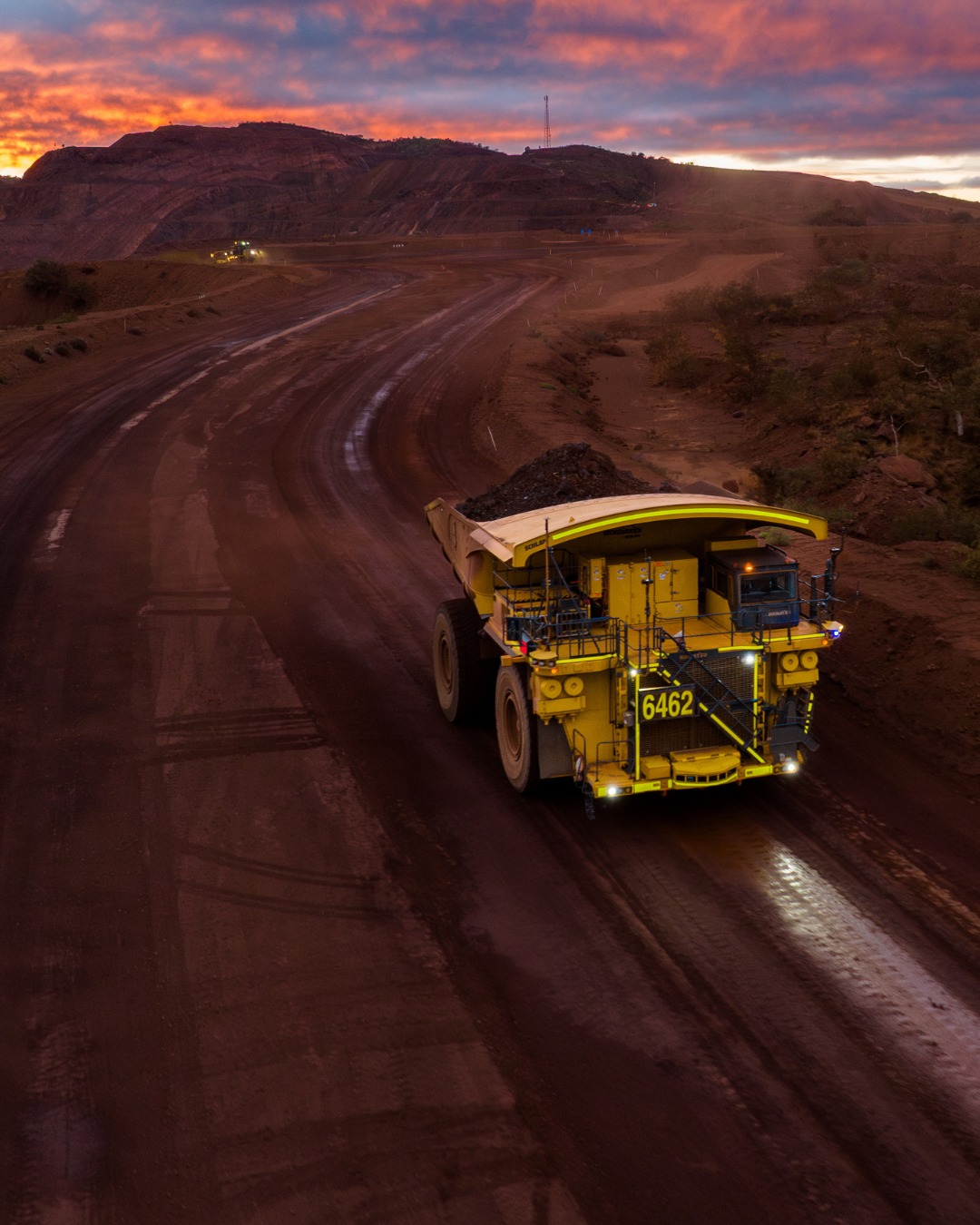
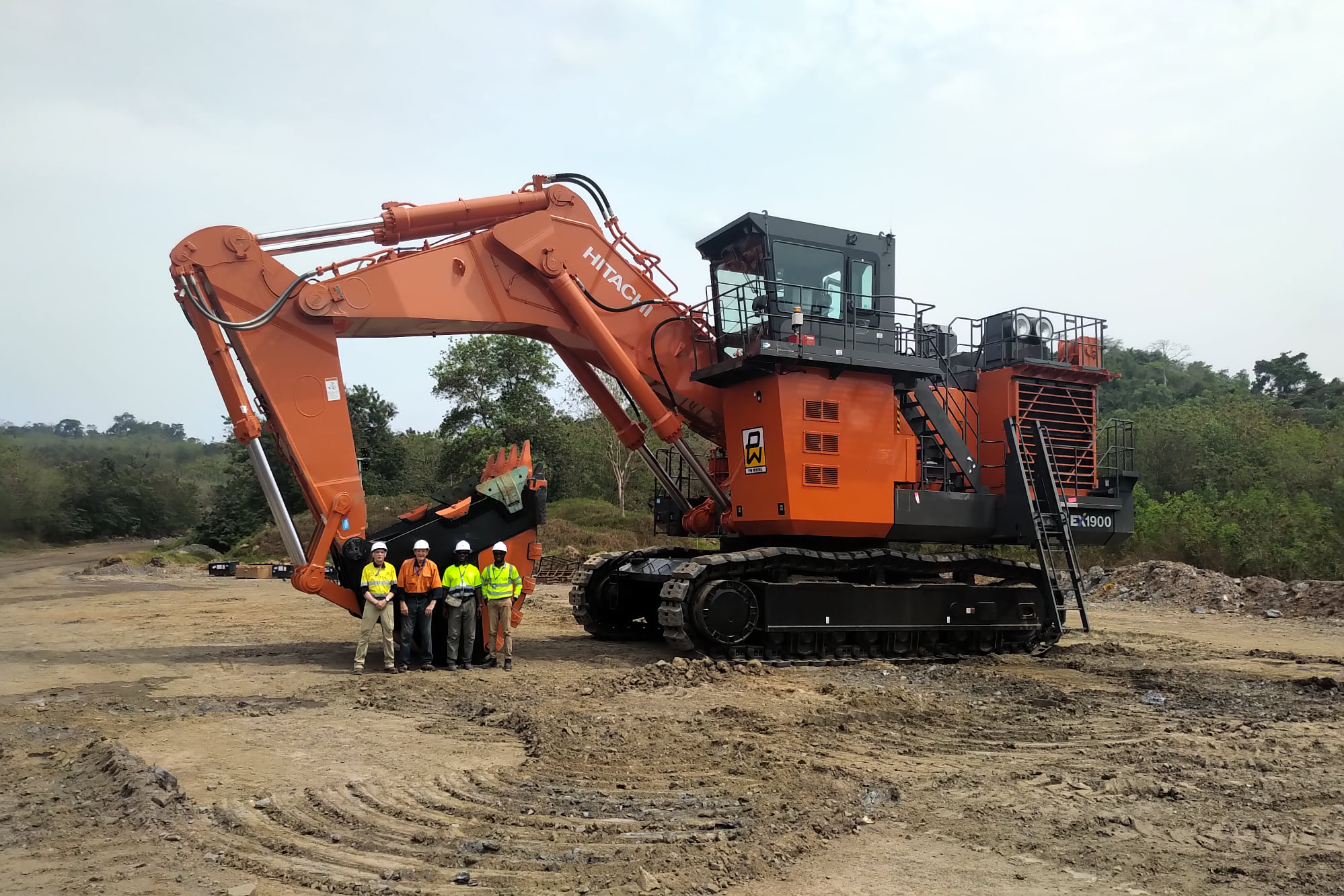
To get there, Asante turned to PW Mining (Ghana) Ltd, a familiar name on big earthmoving jobs in the region. PW rolled in a large mixed fleet—excavators, trucks, drills, ancillary gear—and, under a contract geared for high material-movement rates, started to change the tonnage profile of the mine.
The logic is simple on paper: move more waste now, expose better ore later, and use the extra tonnes to feed a more capable processing plant. Anyone who has run a stripping campaign knows the balance is delicate—push too hard and costs explode; hold back and you starve the mill. At Bibiani, that tension plays out shift by shift in dispatch rooms and on pit ramps, with production and cost curves under close watch.
Around PW, a cluster of Ghanaian firms has taken on much of the everyday work—civils, minor earthworks, haul road maintenance, crew transport—turning the corridor into less of a one-contractor show and more of a layered operating ecosystem.
Seven More Years Underground
The surface story is only half of Bibiani’s reinvention. The bigger question for a mine like this is: what happens after the last pushback?
Asante’s answer is the underground DFS.
Engineers and consultants have mapped out a seven-year underground mine beneath the existing pits. The study outlines almost 12 million tonnes of ore at a healthy grade, mined using mechanised long-hole stoping and cut-and-fill, and accessed by declines tied into the geometry of the Main and Walsh orebodies. Existing underground access is to be extended and re-equipped rather than abandoned, a classic brownfield move aimed at saving both time and capital.
“We’ve confirmed the potential for an underground operation with an initial life of about seven years,” Anthony says. “The intent is for underground tonnes to overlap with open-pit production so the plant never has to run half-full.”
Technical advisors provide the backbone for that plan. Knight Piésold’s Ghana office brings tailings and water-management expertise that allows an old site to handle new volumes and underground dewatering. Geodrill, a fixture on drill pads across West Africa, has been part of the definition drilling that turns resources into reserves. Rocksure International, one of Ghana’s home-grown mining contractors, is already on the ground, adding underground skills to a corridor that once relied heavily on imported expertise.
On paper, the underground mine dovetails neatly with the open pits: pit grades ease off just as underground stopes start to deliver, keeping the enlarged plant full. On the ground, that timing will be won or lost a few metres at a time.
The Sulphide Plant: Rewiring the Metallurgy
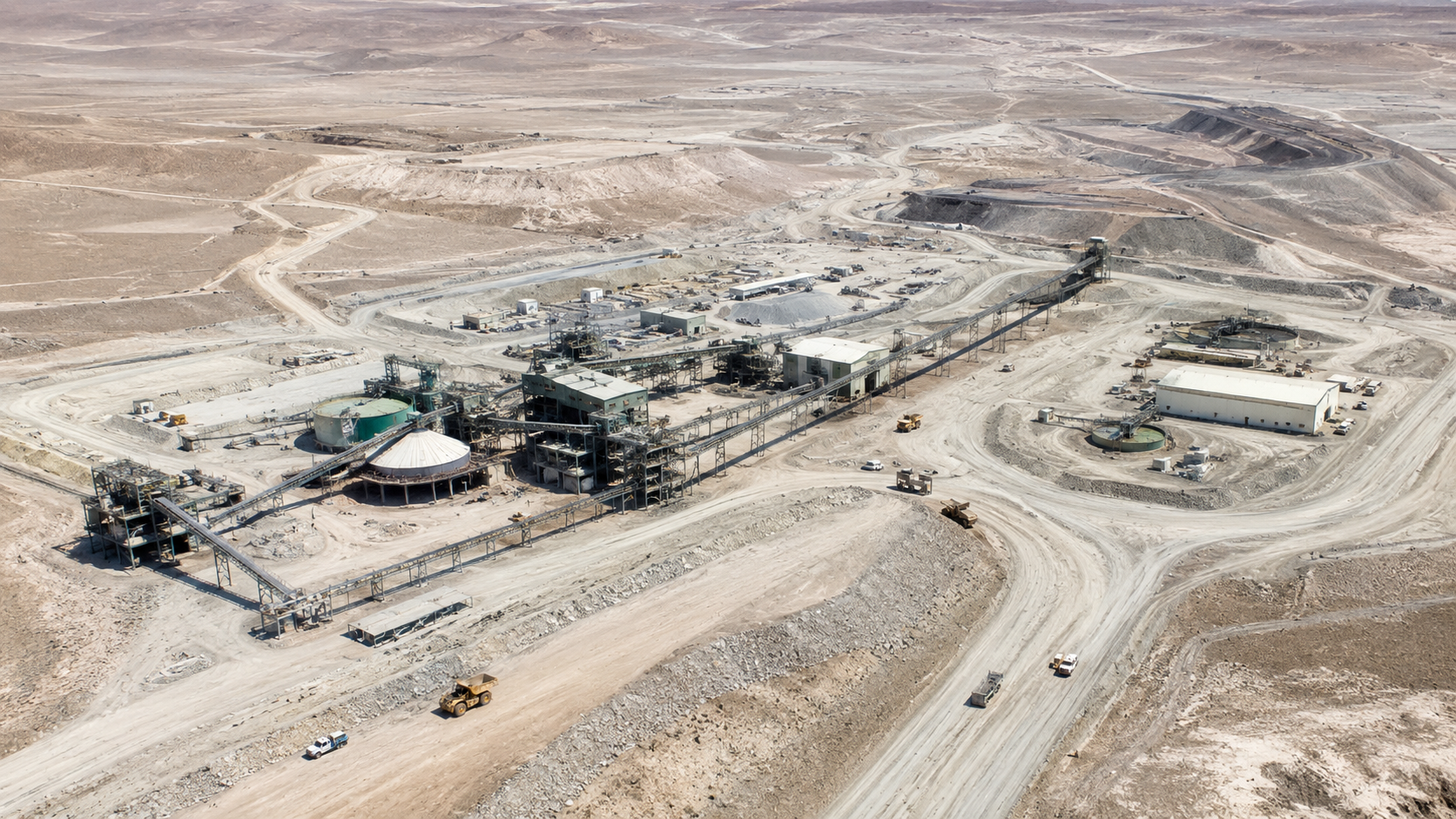
Bibiani’s new sulphide plant is less photogenic than the open pit, but it is where the mine’s economics pivot.
Under previous owners, the plant was tuned mainly for oxide ore. Deep sulphide material could be processed, but recoveries were modest and the incentive to mine at depth was limited. Asante’s team chose a more aggressive route: upgrade and add to the circuit so that it can handle 4 million tonnes a year of harder sulphide ore at recoveries in the low 90s.
Civil works and steel went in on a tight footprint beside the existing mill. Crews installed a pebble crusher, reworked crushing stages and upgraded CIL and elution capacity. Tie-ins had to be done in stages to avoid long shutdowns, which meant a lot of night work and finely timed outages.
Publicly, Anthony has called 2025 “a year of execution” for the processing upgrades at both Bibiani and Chirano. Inside the plant, metallurgists and operators are working through the familiar commissioning headaches: tuning grind size, reagent regimes and residence times while lengthening continuous runs.
Companies like Weir Ghana, with its pumps, cyclones and wear parts, and Harlequin International, with its fabrication and mechanical repair shops, are quiet constants in this phase. Their work rarely makes a headline, but when you’re trying to push hard rock through a West African plant at higher tonnages, they are the difference between design and reality.
Money, Balance Sheets and Forward Bets
None of this comes cheap.
Between the sulphide plant, pit pushbacks, underground development and resettlement, Bibiani is in a capital-heavy stretch. Asante’s answer has been to assemble a layered financing stack that mixes equity, bonds, streaming, senior debt and a notable gold-forward agreement tied directly to ramp-up activities.
In broad terms, legacy liabilities have been refinanced, a new package of senior and subordinated debt is in place, a gold stream takes a measured slice of future production, and a forward sale provides up-front cash in exchange for delivering ounces later at pre-agreed terms.
“It’s about giving ourselves the firepower to execute the plan,” Anthony has said of the overall package, linking it explicitly to the half-million-ounce production goal.
For any mining executive, that sentence carries weight. Forward sales and streams provide certainty, but they also give away a portion of future upside. Debt brings leverage and discipline—but also fixed obligations—into a business exposed to gold price, fuel costs and Ghanaian policy risk. Bibiani’s future will be shaped as much by how well it handles that financial architecture as by how neatly it executes a mine plan.
The Highway That Had to Move
No modern mine is just a pit and a plant. At Bibiani, one of the most visible pieces of the plan is a public road.
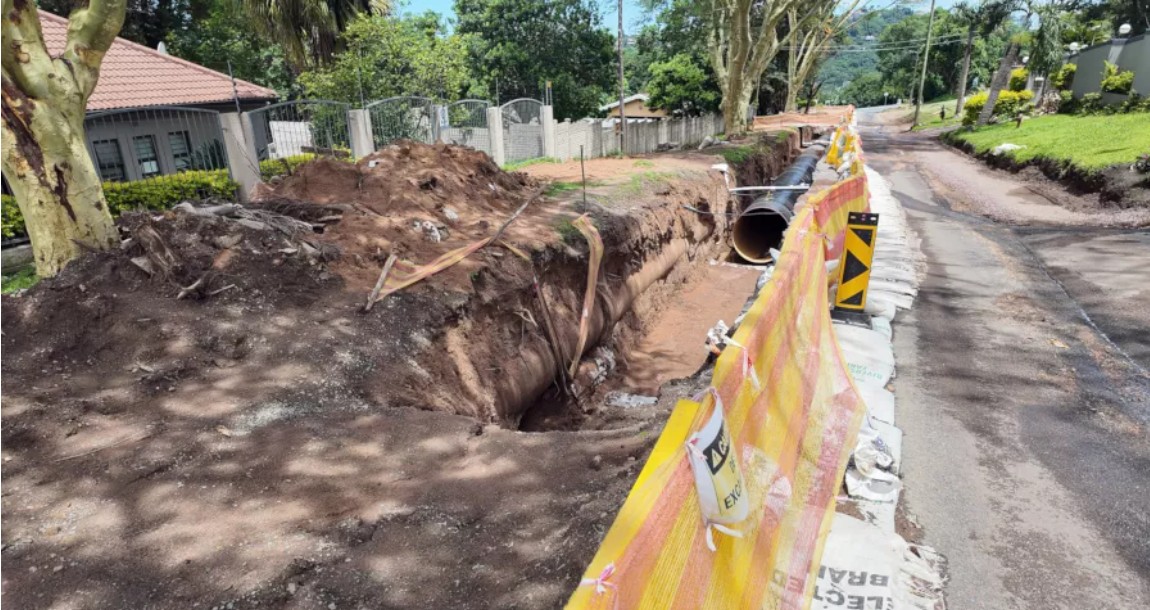
The Bibiani–Goaso highway once clipped the edge of the mining lease, constraining how far engineers could safely push the Main pit. Asante’s technical team and Ghana’s authorities agreed on a different answer: reroute a section of the road, build a new alignment and free up ground the mine needs for long-term cutbacks.
On a site map, the new road is a simple line. On the ground, it’s survey crews from local firms, bulldozers and graders cutting a new path, drainage crossings redesigned for tropical storms, traffic-management plans to keep local commerce moving during construction, and a long series of community meetings to explain why the highway is shifting and where it will go.
For commuters and traders, the reroute will change travel patterns. For the mine, it is a gate-opening event—without it, the study numbers on Main pit expansion do not work. The project sits at the intersection of public infrastructure and private investment, showing in concrete terms how a corridor strategy touches lives beyond the fence line.
Old Town, New Address: ESG and Resettlement
Bibiani’s most difficult engineering challenge may not involve rock at all.
The Main pit and the old town sit uncomfortably close. To expand safely, the mine needs to move people—thousands of them—out of harm’s way. That means houses, shops, churches, schools. It means livelihoods. It means memory.
Resettlement of this scale is always contentious, and Bibiani is no exception. A formal Resettlement Action Plan sets out the frameworks for consultation, compensation and new housing. A 100-acre site is being carved out for relocated neighbourhoods. But on the ground, the process plays out in community halls, on dusty streets and at kitchen tables, where residents weigh the promise of new services and safer homes against the loss of long-familiar surroundings.
Ghana’s state Minerals Income Investment Fund, now on Asante’s share register, has taken an unusually hands-on interest. During a recent visit, its leadership toured the sulphide works and resettlement housing and publicly pressed Asante to keep ESG and community performance level with production growth. Country management has gone on record committing to exactly that.
For a mine that once faced intense local scrutiny, that kind of external oversight—and public commitment from senior management—matters. Whether Bibiani’s expansion is remembered as a net positive in Old Town and the surrounding communities will depend less on powerpoints than on how these next few years feel on the ground.
Strategic Supplier Partnerships: Relationships as Infrastructure
One of the quieter truths about the Bibiani–Chirano corridor is that its real footprint is measured not just in benches and haul roads, but in the web of supplier relationships stitched around it. Around Bibiani, local engineering outfits, small civil contractors, caterers, safety firms, logistics operators and IT shops are treated less like anonymous vendors and more like partners whose fortunes are meant to rise with the mine’s own trajectory.
Spend a little time in the site offices and you hear it in the way people talk. Procurement teams describe early-engagement sessions where scopes are shaped together rather than thrown over the fence. Engineers invite nearby fabrication shops and survey firms into the plant during shutdowns so they can see, up close, the tolerances and response times a modern operation demands. Community and finance staff compare notes on payment terms that keep smaller Bibiani- and Chirano-area businesses liquid enough to buy a new truck, hire a trainee or upgrade a workshop—without losing the commercial discipline the mine itself has to live under.
What starts as a small contract—a local civil firm tidying drains near a village junction, a family-run transport operator taking on short-haul crew buses, a PPE supplier delivering its first batch of kit—often turns, over several seasons of performance reviews and shared problem-solving, into something more substantial. Framework agreements give volume visibility. Joint safety drills align standards. Corridor-wide logistics roles stretch a company’s confidence and capacity beyond its original patch. “We’re not just letting contracts,” says one senior buyer. “We’re trying to grow the people who will still be here after the pits are gone.”
At Bibiani, the supplier list reads like a cross-section of Ghana’s modern mining cluster. On the mining side, PW Mining (Ghana) Ltd does the heavy lifting in the pits, moving the rock that turns plans into production, while Rocksure International is being brought in to add underground depth as stopes move below the pit floor. Step back and you see Geodrill rigs marching across drill pads, punching in exploration fences and definition holes that quietly reset the resource model, and Knight Piésold engineers working behind the scenes on tailings embankments and water balances, checking that storage and hydrology keep pace with new volumes.
Closer to the ground, LOSAM Surveys & Engineering and Top Quality Investments Limited handle the unglamorous but critical work of survey and civils—setting out cutbacks, pegging road realignments, stitching new drains and culverts into a landscape that has to keep functioning in the wet season. Yellow Power International keeps the yellow iron on the move with rental fleets and backup machines when the stripping schedule tightens. Inside the fence, Harlequin International fabricates and repairs the steel that holds the plant and mobile fleet together, while Weir Ghana and Cummins Ghana keep critical pumps and engines running reliably in punishing dust and humidity. Fuel arrives through GASO Petroleum’s logistics chain, bridging ports, depots and site tanks, and all of it is underpinned by SGS Tarkwa, whose assay results and bottle rolls quietly steer each week’s mine plan as surely as any spreadsheet in the main office.
The effect extends beyond the mine fence. As these partners learn to meet the documentation, safety and quality expectations—shaped as much by Ghana’s local-content rules as by Asante’s own standards—they become more competitive across the wider mining belt, able to bid for work at other sites, train up their own apprentices and invest in better yards and equipment. The Bibiani–Chirano road starts to look less like a narrow line of trucks on a map and more like a catalyst for a thicker industrial fabric in Western North, an ecosystem with a chance of outliving any single pit or plant.
The Runway to 2028: An Open Ending
By the time you reach the end of Bibiani’s current chapter, the stakes are hard to miss. A new sulphide circuit has to move from commissioning curiosity to dependable workhorse. Open pits and an underground mine must learn to share a plant without tripping over each other. A resettlement programme has to feel, at street level, like a genuine improvement rather than a clever compliance exercise. And over all of it sits a financing structure that needs to behave like a springboard, not a set of shackles, in a Ghanaian policy environment that is asking for more value to stay closer to home.
Put simply, ounces, cash flow, community trust and local capability all need to rise roughly in step. If they do, Bibiani stops being just another restart story and starts to look like a rare case study in how to rewire a long-lived mine for a new era. As one executive admits, “we’re only halfway through the job—this is the hard part.”
The ending, for now, is open. Trucks are still climbing out of deepening pits. Declines are still being driven under the Main orebody. Supplier roundtables in Bibiani and Chirano are still testing new ways to share risk and reward. Production targets on corporate slides are still aspirations rather than history. The real questions—how the first underground stopes perform, how the plant behaves in a bad wet season, how far the local supplier base can stretch, what the corridor looks like five years from now—can only be answered by watching what happens next.
That is where a good BE story ought to leave you: not with everything tied up, but with just enough answered, and just enough unresolved, that you find yourself looking back toward Western North Ghana and wondering how this mine—and the network of people around it—will look when the cameras return.
 BE Magazine- Bibiani Gold Mine - spread .pdf