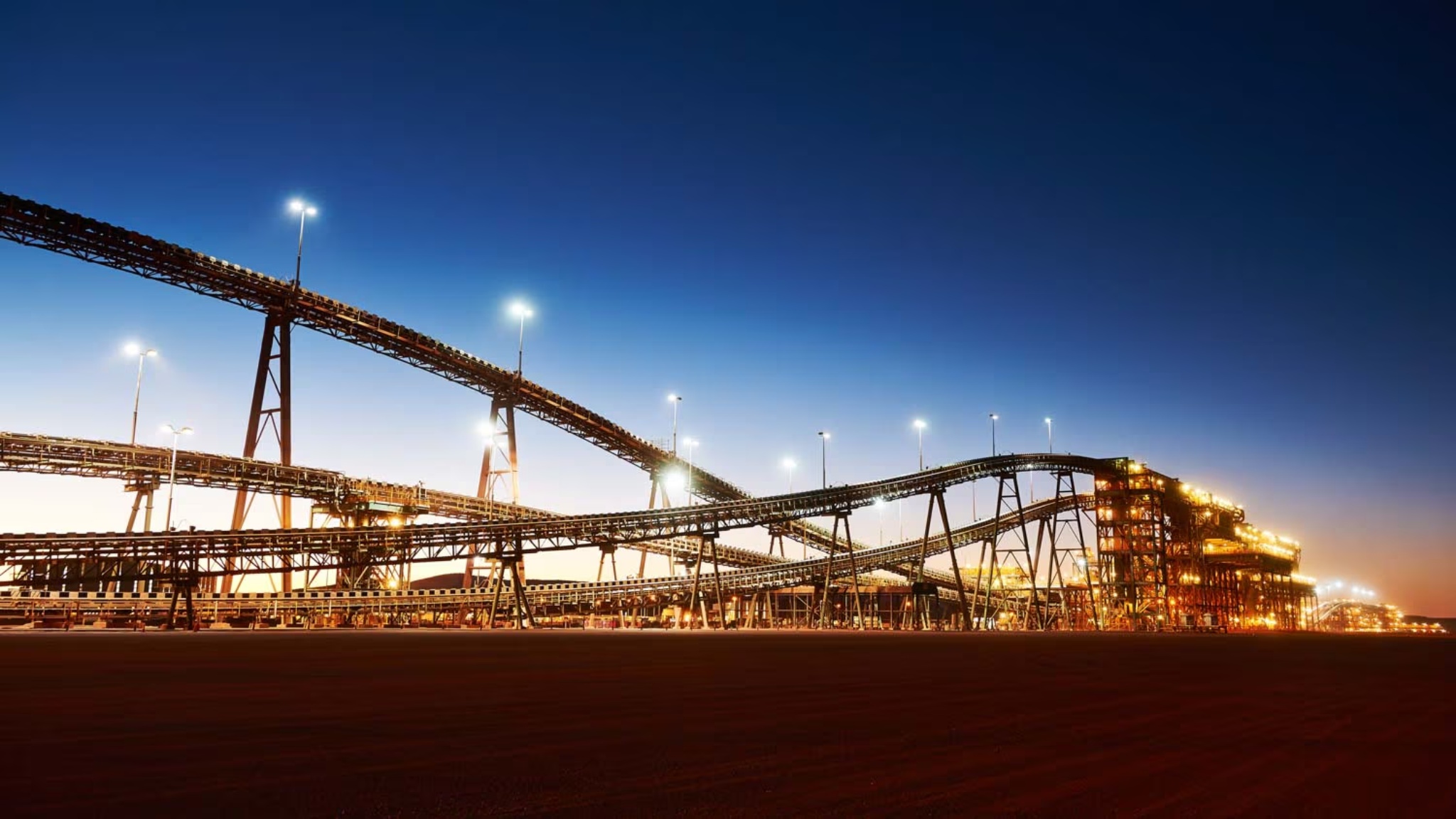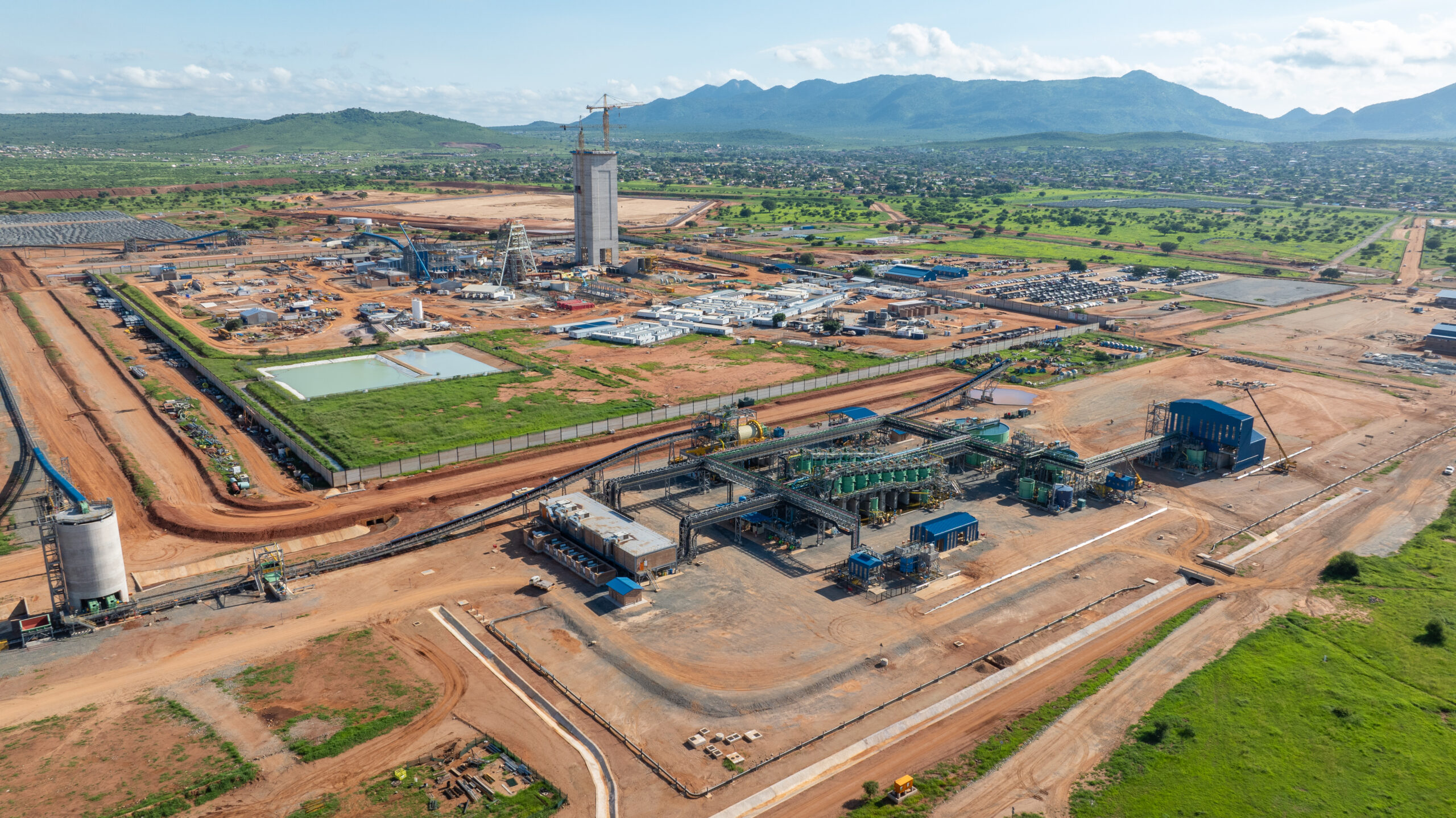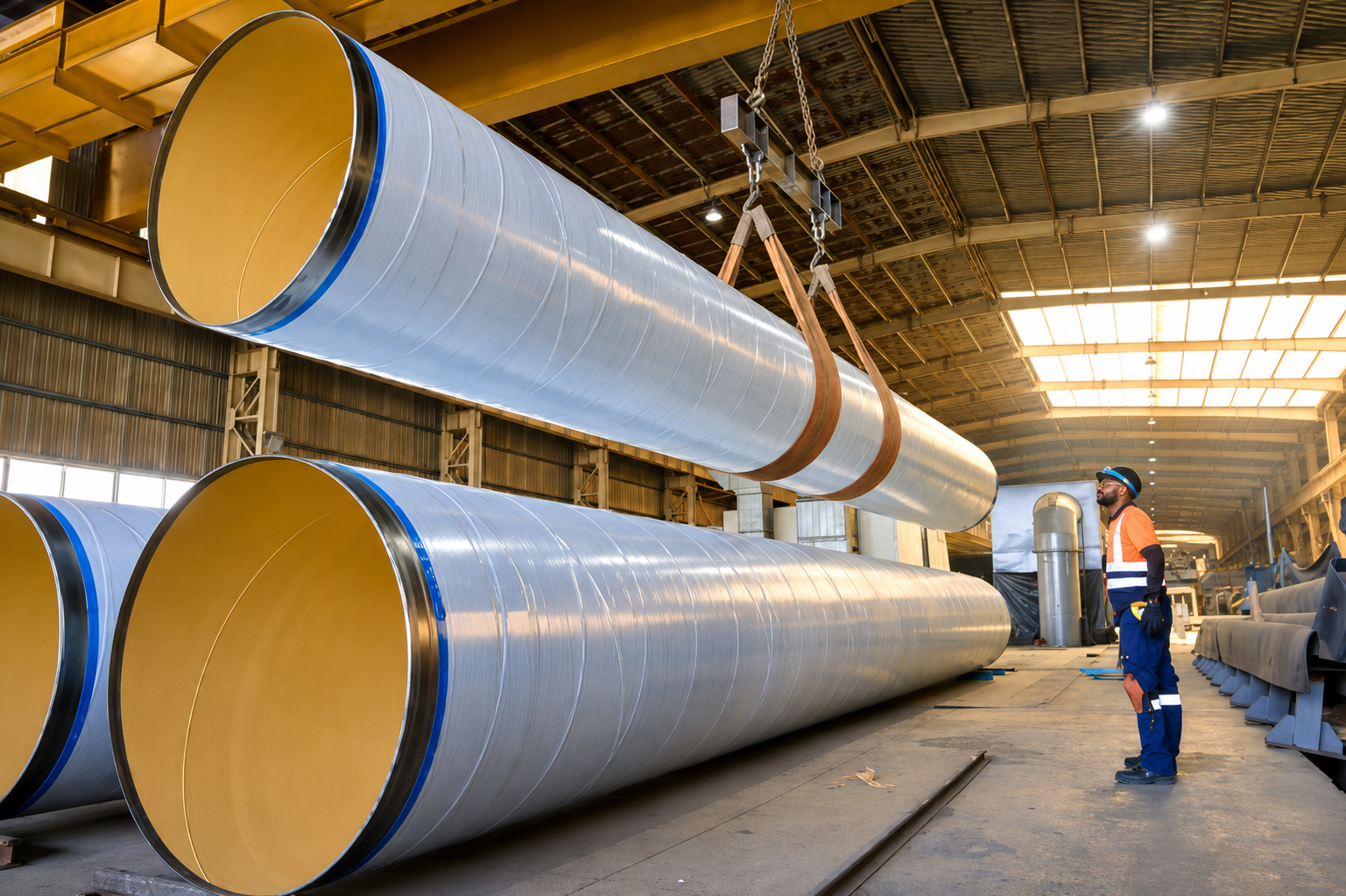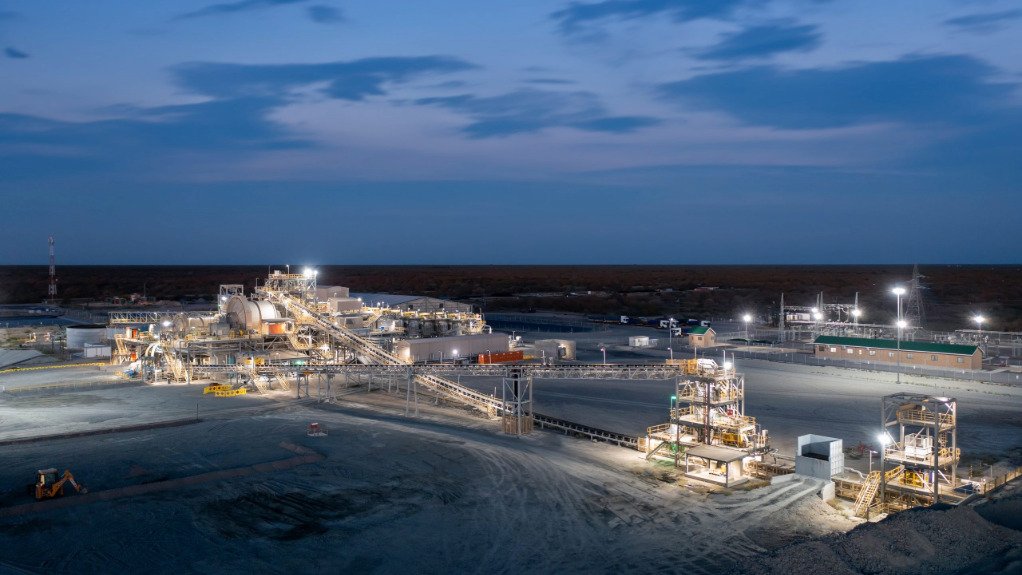


MACEP Ltda. — Industrial Maintenance, Mining Services & Infrastructure Works in Chile
MACEP Ltda. is a Chilean company with over 20 years of experience providing specialized industrial maintenance services, mining operations support, and infrastructure works across Chile. Founded in 2003 and headquartered in Copiapó, we have established ourselves as a trusted strategic partner for technically demanding projects in the mining and industrial sectors.
Our services are built on three pillars: technical expertise, operational efficiency, and an unwavering commitment to safety and quality — the standards that Chile's mining and industrial industries demand.
Industrial Maintenance & Infrastructure Services
We specialize in the maintenance of industrial plants and the precise execution of infrastructure projects in some of Chile's most challenging operational environments. MACEP has a proven track record in mining maintenance contracts, industrial plant upkeep, and infrastructure project execution — consistently delivering on time, on scope, and to specification.
The team of highly specialized professionals brings deep knowledge of critical industrial environments, where reliability and precision are non-negotiable. Every project we undertake reflects our commitment to punctuality, continuous improvement, and technical excellence.
Mining Services in Chile — Safety First
At MACEP, safety is a core value, not a compliance requirement. We operate in full alignment with Chilean industry regulations and international best practices, protecting our workforce while ensuring safe, sustainable mining and industrial operations. Our safety record and operational standards make us a preferred contractor for clients who cannot afford downtime or risk.
Why Choose MACEP?
- 20+ years serving Chile's mining and industrial sectors
- Specialists in industrial maintenance, mining support, and infrastructure works
- Based in Copiapó — at the heart of Chile's mining industry
- Rigorous safety culture and regulatory compliance
- Flexible, client-focused service tailored to each project's needs
Its mission is to deliver efficient, high-quality industrial and mining services that generate real value and long-term results. We continue to invest in our capabilities, technology, and people — so we remain the partner of choice for mining companies and industrial operators across Chile.
Contact MACEP — Mining & Industrial Services, Copiapó, Chile
📍 Callejón Guillermo Lorca #435, Copiapó, Chile
📞 +56 52 222 4139 / 228 7114
✉️ macep@terra.cl
 Seirra Gorda -Mine- Feature 2026.pdf