




Weir Minerals
Weir Minerals, the mining-focused division of The Weir Group PLC, is a global leader in engineered solutions for comminution, slurry handling and tailings management. Its core product families – including Enduron® high pressure grinding rolls (HPGRs), Warman® slurry pumps, Cavex® hydrocyclones, GEHO® positive displacement pumps and Isogate® valves – are designed to help mines reduce energy use, water consumption and total cost of ownership.
That expertise sits at the heart of Fortescue’s Iron Bridge magnetite project in the Pilbara, Western Australia – a US$2.6 billion investment designed to produce around 22 million tonnes per annum of high-grade magnetite concentrate from an orebody 145 km south of Port Hedland. Fortescue challenged Weir Minerals to help deliver one of the world’s most energy- and cost-efficient magnetite plants, moving away from conventional, power-hungry tumbling mills.
In 2019, Weir secured a record £100 million order to supply 12 Enduron® HPGRs and GEHO® pumps to Iron Bridge – the world’s largest HPGR installation in an iron ore application. The HPGR-based flowsheet cuts grinding energy by at least 30% versus traditional circuits and significantly reduces wet tailings, delivering major savings in both power and water for Fortescue.
This was followed in 2020 by a £95 million aftermarket contract for components and service over seven years, taking Weir’s total Iron Bridge order book to more than £200 million. The aftermarket scope spans Enduron HPGRs, GEHO and Warman pumps, Cavex hydrocyclones and Isogate valves, underpinning high availability in one of the world’s most advanced magnetite operations.
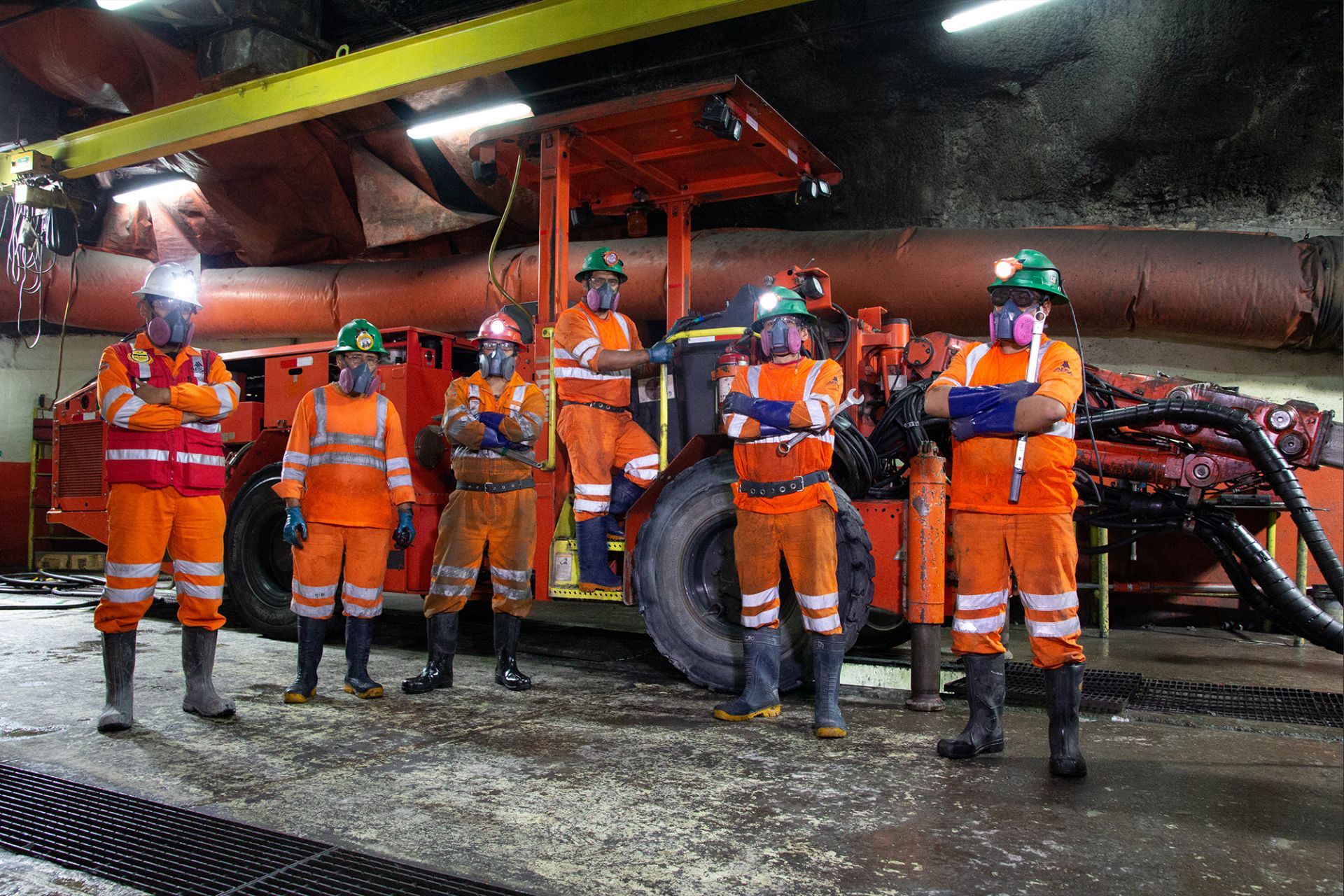
To support Iron Bridge and other Pilbara mines, Weir is establishing a new service centre in Port Hedland, providing local repair, rebuild and field-service capability and creating new employment and training opportunities, with a particular focus on Aboriginal participation in the mining workforce.
For Fortescue, the collaboration with Weir Minerals at Iron Bridge is about more than equipment supply. The co-developed HPGR flowsheet – described by Weir as the first large-scale plant of its kind without tumbling mills – showcases how close OEM–operator partnerships can unlock step-change reductions in energy, water and carbon intensity across the magnetite value chain. For Weir Minerals, Iron Bridge stands as a global reference site for sustainable, high-performance comminution – and a clear example of the role it plays in making modern mining more efficient and more responsible.
Fortescue Head Office
Ground Floor, 256 St Georges Terrace, Perth WA 6000
Phone: +61 8 6218 8888