Construction and Infrastructure


Construction work across the Middle East has created a wealth of opportunity for consultancy firms that can deliver diversity in engineering. Ashraf Khalil, vice president and head of the Business Development Division at ECG Engineering Consultants Group, tells Andrew Pelis how the company has grown across a changing landscape for the past 41 years.


The Bujagali Hydropower Project in Uganda will not just provide a reliable source of clean energy for the Uganda grid, but will also spur employment opportunities in the future.


Final bids have been submitted for the £1 billion contract to build a new crossing over the Firth of Forth in Scotland.

Forthspan and Forth Crossing Bridge Constructors (FCBC), together representing eight bridge building and civil engineering firms,are competing for the principal contract to build the new bridge and connecting roads on the Forth Replacement Crossing (FRC) project.

The submission of the bids marks the last major step in the process before the contract is awarded in April, with work expected to start soon after the deal is signed.


Permission has been granted for construction of the final nine kilometres of the Corrib Gas Pipeline in Ireland.

The final stretch of the pipeline will bring gas onshore from the Corrib Gas Field, located 83 kilometres off Ireland’s north-west coast. The onshore section of pipeline will be underground along its entire route, linking the end of the offshore pipeline at Glengad to the gas terminal at Bellanaboy, County Mayo.

Permission was granted by Ireland’s planning board, An Bord Pleanála.


The global market for coatings is forecast to reach almost $100 billion by 2015, according to research by Global Industry Analysts, Inc. (GIA).

The new GIA report, Coatings: A Global Strategic Business Report, predicts that the market will expand to $98.69 billion in the next five years, led by rapid industrialization, economic activity and vibrant demand from automotive and construction sectors in developing countries.


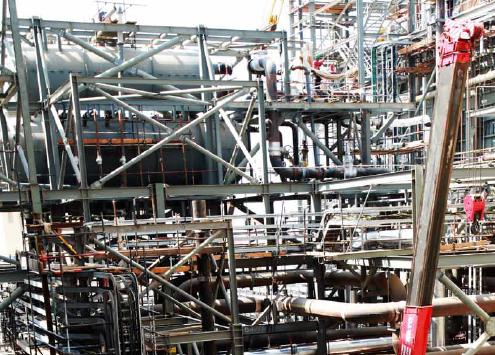
Biggest doesn’t have to be best but the scale of Eskom’s Kusile coal-fired power station is of strategic importance to the hard-pressed utility: it has to catch up with ever increasing demand from industry and South Africa’s mass electrification programme.


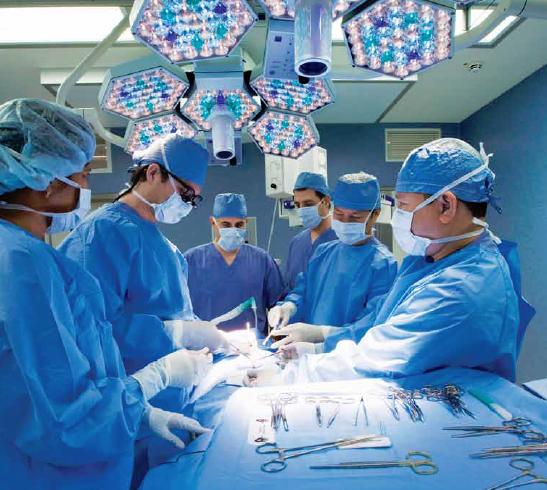
Jeff Daniels takes a look at how the health delivery system of Abu Dhabi is providing its citizens with the best medical facilities possible.


Over 60 years ago, Britain helped change the health expectations of the world by introducing a universal health service to people who previously had nothing. At times, though, buildings and facilities in the NHS don’t seem to have changed all that much in half a century, so it makes an interesting comparison to see how the Emirate of Abu Dhabi is doing it in the 21st century. 


The 1980s saw the emergence of developing regions, none more so than South East Asia. This development brought a rising demand for construction and laid the foundations for Trepax Innovation. Director Paul Greenhalgh gives Andrew Pelis an insight into how the business has evolved since Thailand’s “Tiger economy” was born.


Water affects every aspect of our lives and in South Africa it’s regarded as a precious commodity. Dr Cornelius Ruiters, from the Department of Water Affairs, is charged with helping to improve water quality, supply and security on a limited budget. He tells Andrew Pelis about current initiatives to provide safe water for everyone.


Dr Vaino Shivute, CEO of Namibia’s water utility NamWater, explains how the company is rising to the challenge of nearly doubling its water supply to meet the needs of the country’s rapidly expanding uranium mining industry. Gay Sutton reports.