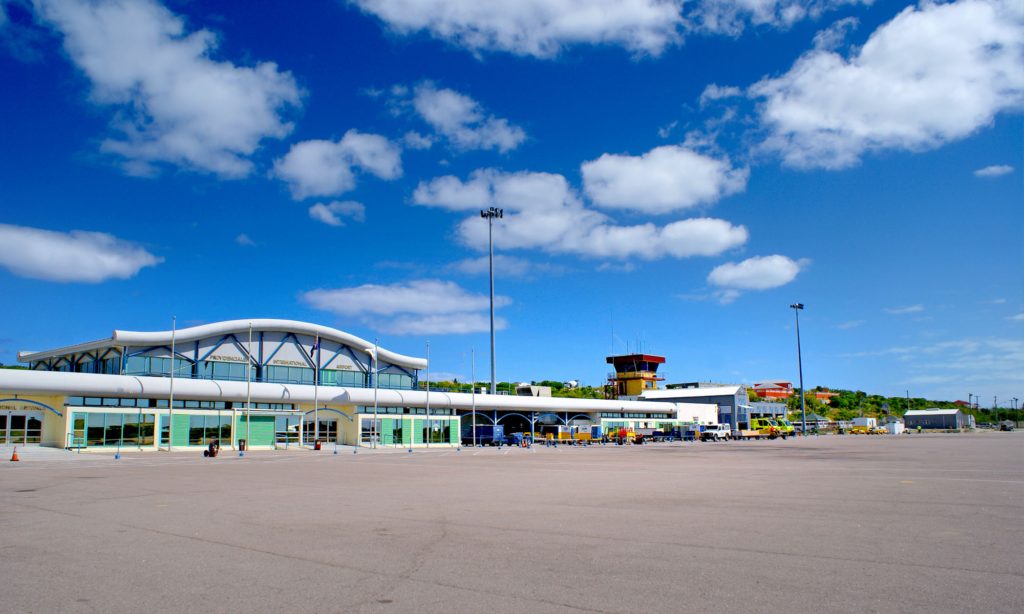
The Turks and Caicos Islands are a Caribbean archipelago perhaps more traditionally accustomed to receiving cruise ships than airplanes. But since 2006, when the Turks and Caicos Islands Airport Authority (TCIAA) was established to control and manage the state-owned airports within the islands, the balance has been redressed. In 2018, the islands welcomed 1.52 million visitors - a new record, which was boosted by tourists flying in.
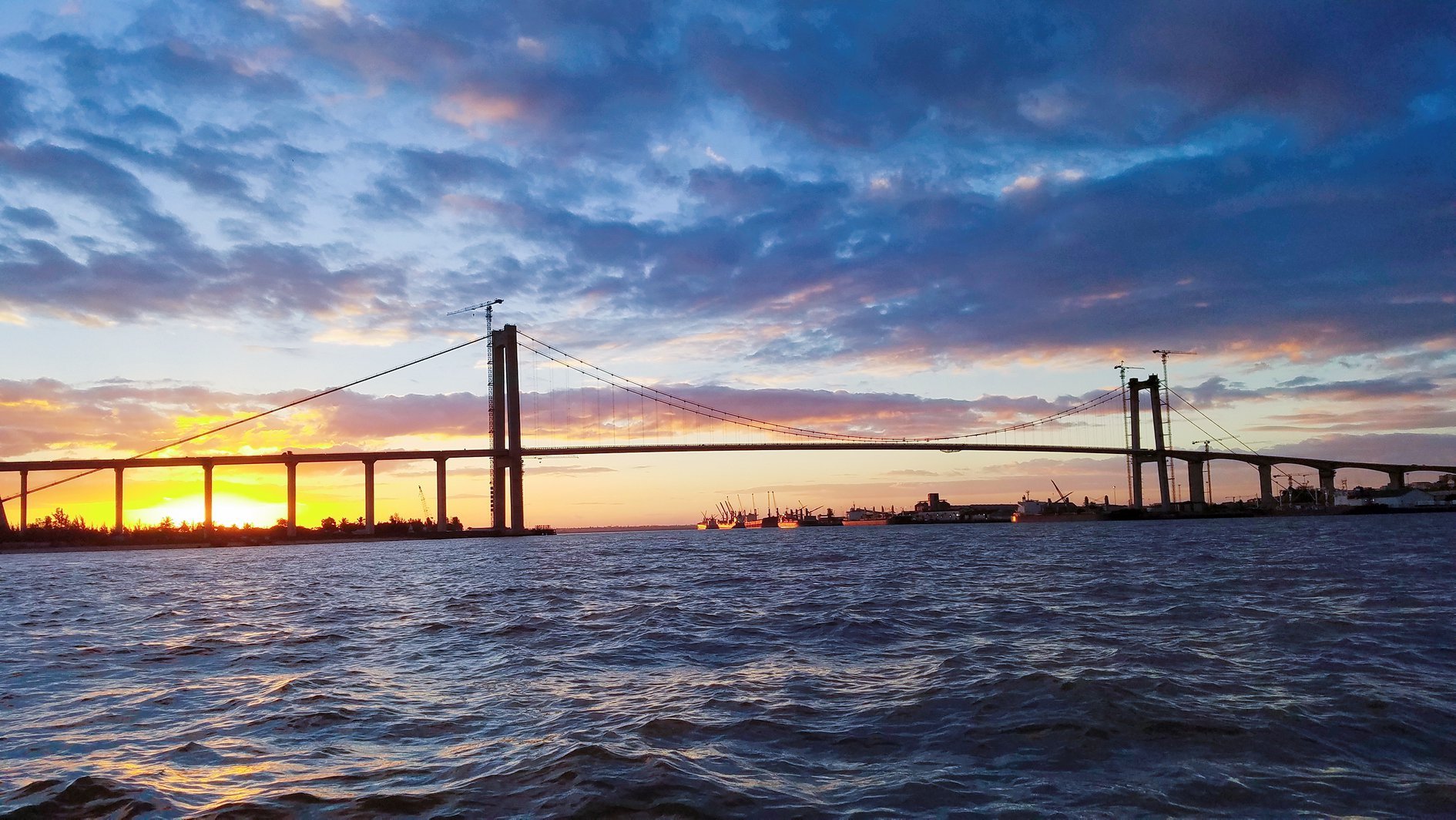
With a coastline stretching over 2,000 kilometres, Mozambique, in southeast Africa, is home to some of the most stunning, preserved beaches in the world. Technically, this paradise should be more accessible than those in more popular tourist destinations like the Maldives and the Seychelles, but a historical lack of infrastructure has hindered progress on this front until now.
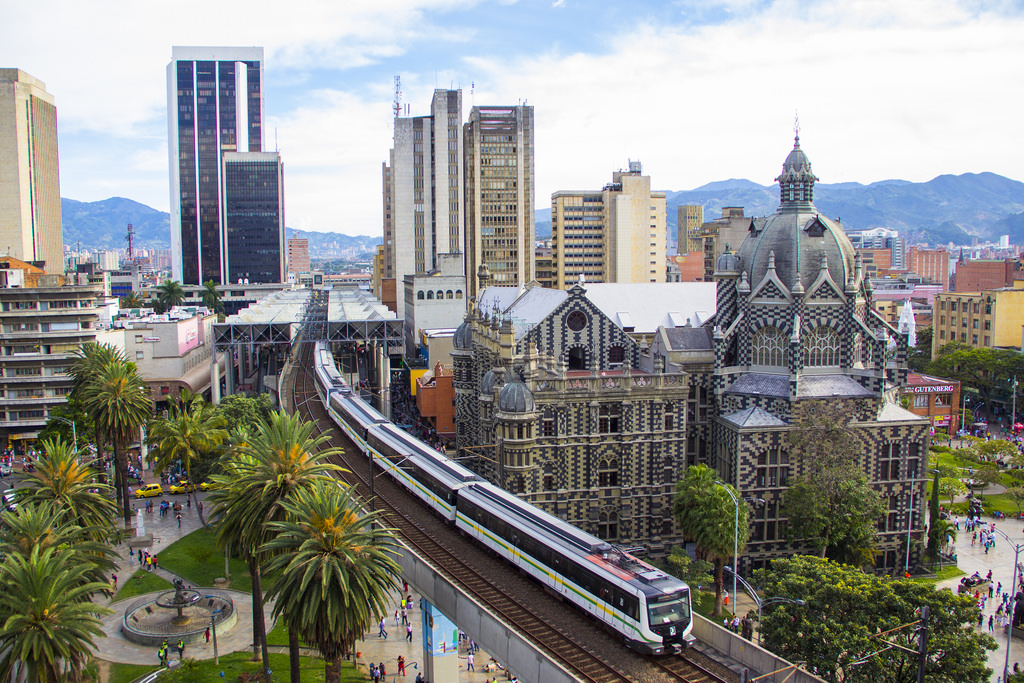
Medellin, Colombia’s second city, has a lot to be proud of. As recently as 2013, the Urban Land Institute chose it as the world’s most innovative city. It beat off 200 other cities to win the award in a contest that took into account eight separate criteria, ranging from infrastructure and education to livability and culture. Perhaps no institution in the city better exemplifies all four of these metrics better than its metro system - Metro Medellin.
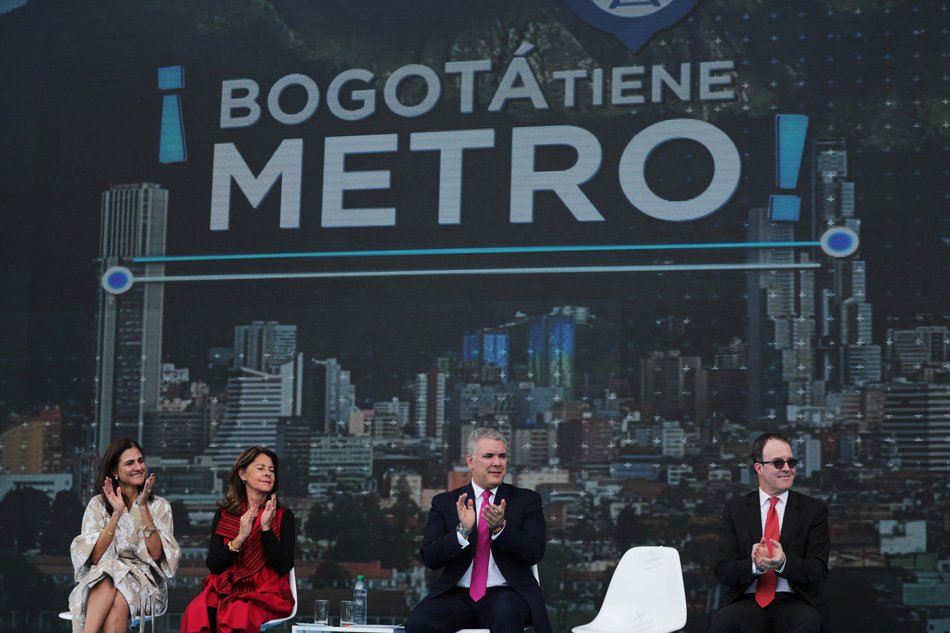
The consortium consisting of China Harbor Engineering Company Limited and Xi'an Metro Company Limited, members of APCA Transmimetro consortium on has been announced to be the winners of awarded the contract to carry out the detailed designs, build, operate and perform maintenance of Bogota´s first metro.
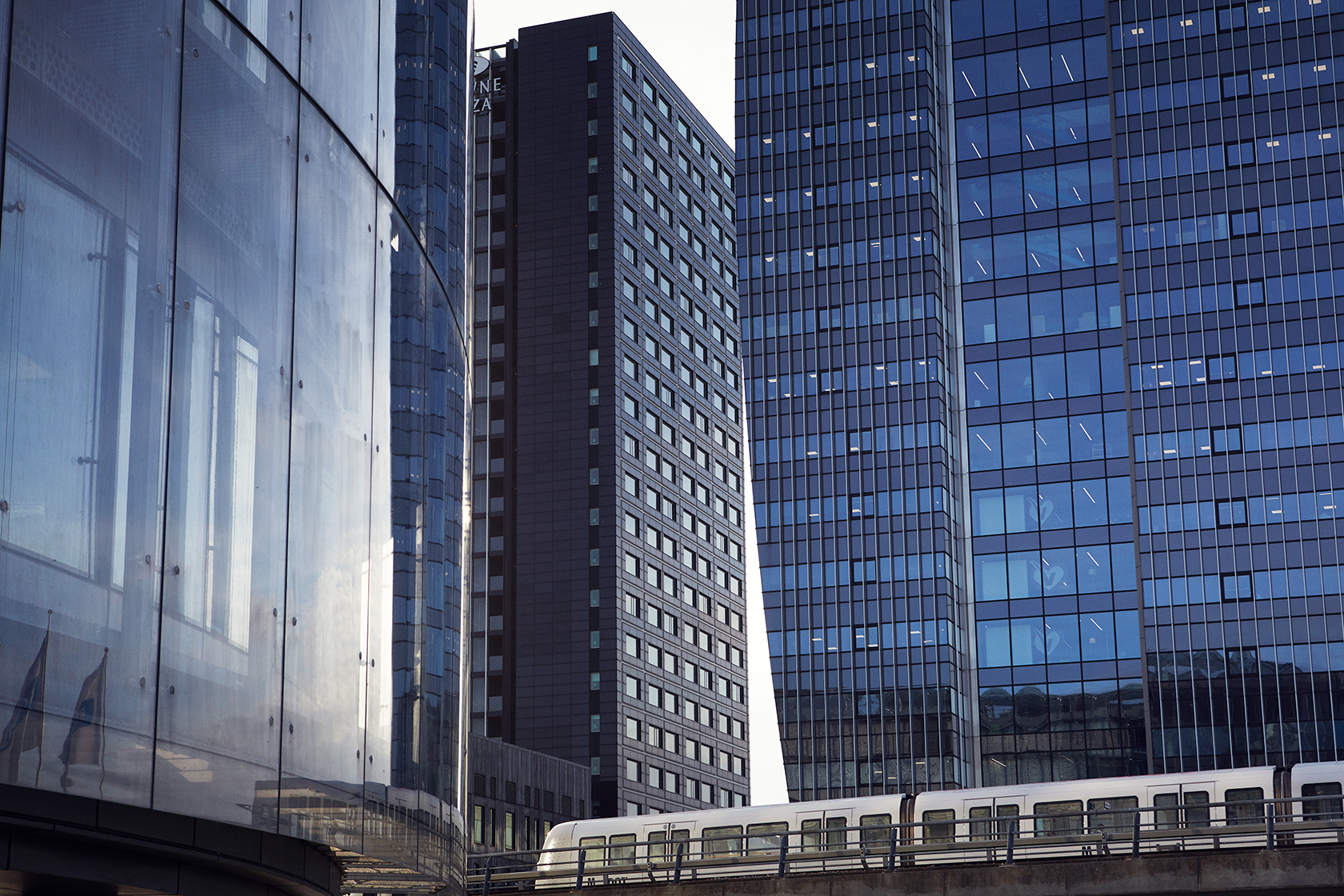
To anyone that has ever visited Denmark’s picturesque capital Copenhagen, it is immediately clear why the city makes a regular appearance in the top ten positions of Mercer Consulting’s annual ‘Best Cities for Quality of Living’ survey. 2019 was no different, with the city of Hans Christian Andersen coming in as the 7th most livable city on the planet.
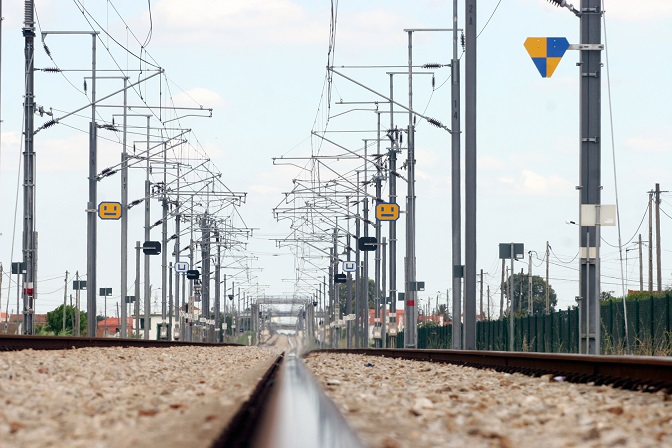
The ancient Roman Aqueducts which are scattered around Portugal are testament to the fact that this small European country has been investing in long-term infrastructure for as long as the records go back. These days, all anyone needs to do is travel by car or train from north to south of the country, or cross the magnificent 25 de Abril Bridge in Lisbon to realize the country’s infrastructures are as ambitious as ever.
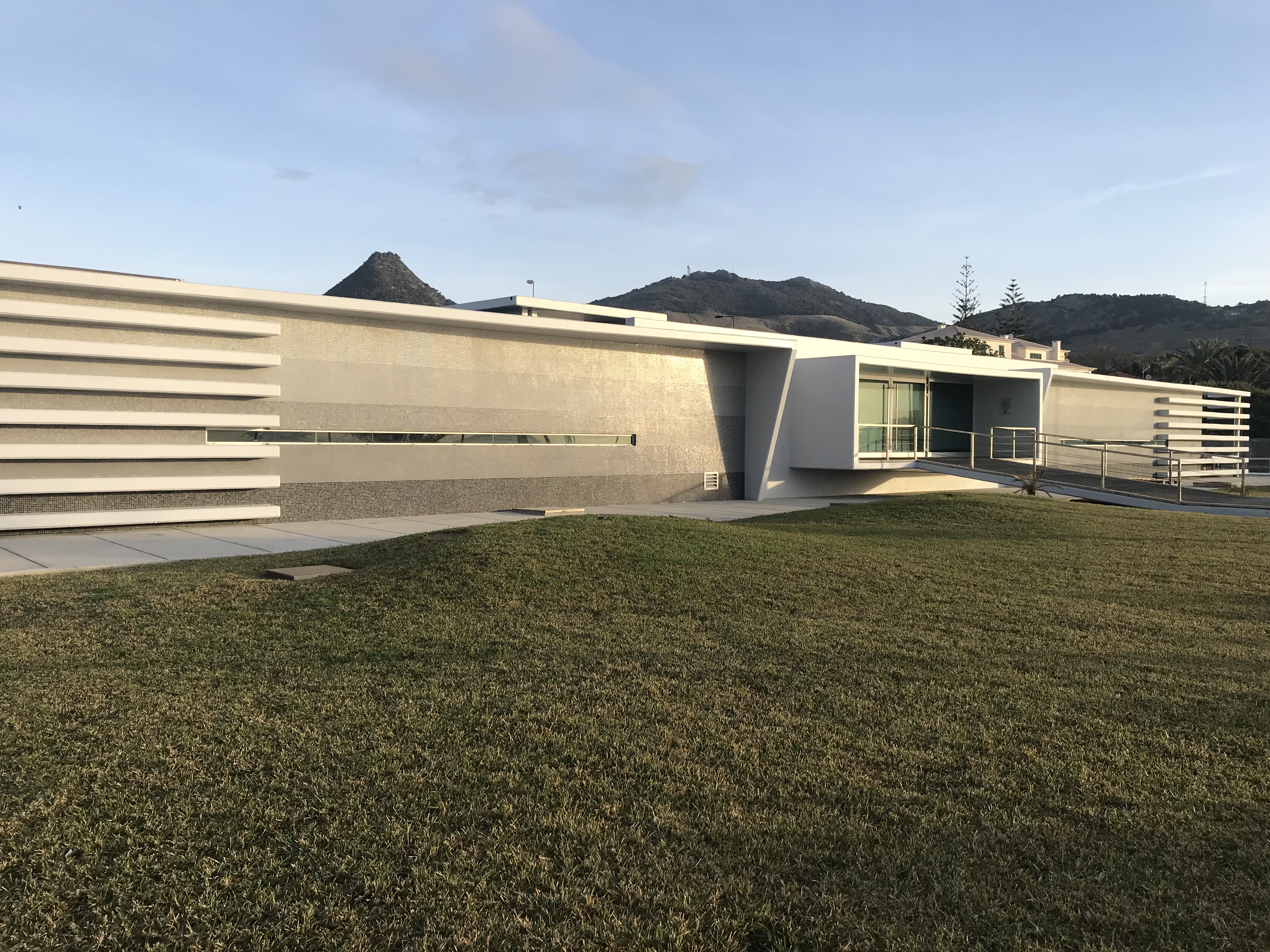
Madeira, the island off Portugal, is regularly voted the best island destination in the world. Home to just a quarter of a million people, the island’s population soars each year as over one million people come from around the world to enjoy its unique mountainous geography. In doing so, they generate huge pressure on the island’s infrastructure, not least its water, sanitation and waste disposal infrastructure, most of which are catered for by A.R.M.
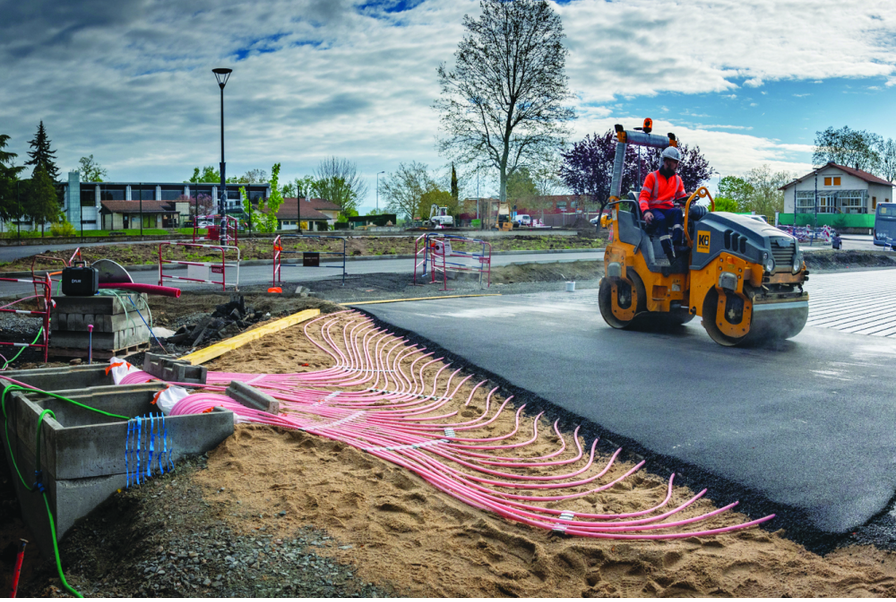
Mankind has truly only scratched the surface of the potential to find power that can be harnessed everywhere in our surroundings. In many of our daily interactions with the city, we’re generating energy without even knowing it. For example, the heat generated by millions of cars on tarmac streets is a form of energy which goes unharnessed, missing out on just one of a number of potential fonts of energy that could yield thousands of gigawatts every year - even reducing environmental impact in the process.
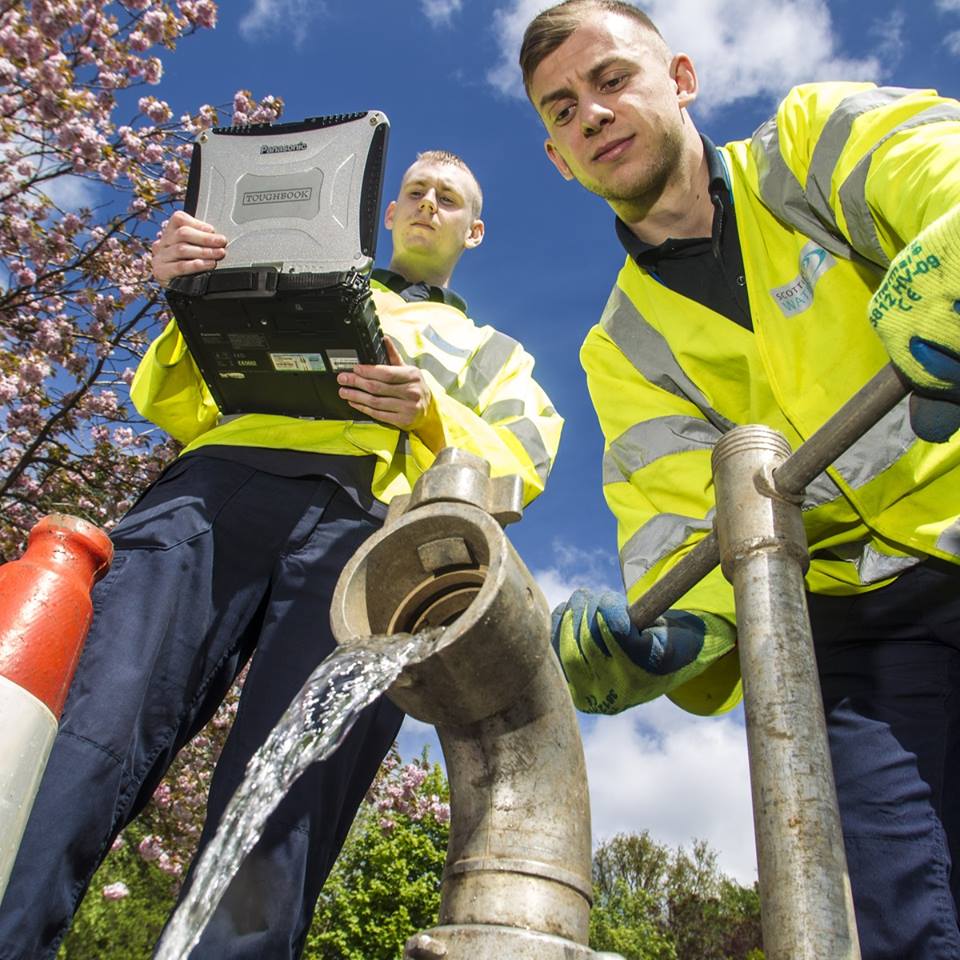
In the build up to Scotland’s Independence Referendum in 2014, one thing that the pro-independence side were keen to emphasize was the strength of Scotland’s institutions. These institutions, they argued, would allow Scotland to thrive outside of a Union. One such institution is Scottish Water.




 RFI-March-2020.pdf