Barging inUsing barges to carry cargo on inland waterways is one of the better kept secrets in the transport business, CEO Mike Ryan explains to Gary Toushek. After 20 years in the sales and marketing end of the railroad business (Canadian National Railway Company and CSX Corporation) and a few years at a trucking company (McCollisterÔÇÖs Transportation Systems) as senior vice president and general manager, Mike Ryan arrived at American Commercial Lines (ACL) in Jeffersonville, Indiana, in 2005, in charge of sales and marketing, and he quickly learned the barge business. ÔÇ£There was kind of an epiphany for me when I came here and was trying to understand how this business works,ÔÇØ Ryan says, ÔÇ£and it dawned on me that this is basically a railroad system with water. ItÔÇÖs set up almost the same way as the hub-and-spoke network of the railroads. What the barge system calls terminaling, the railroad calls classification yard, and the network that you tap into for either long-haul service or intermediate service is similar.ÔÇØ He began to build a commercial team consisting of customer service, a sales presence, and a new program for positioning ACLÔÇÖs products and services in the marketplace. ACL was founded 90 years ago and today comprises a marine transportation division and its manufacturing arm, Jeffboat, AmericaÔÇÖs largest inland ship builder. A barge lasts about 25 years and is made to haul either dry or liquid cargo. Last year Jeffboat made 400 barges, keeping nearly 100 for ACLÔÇÖs hauling service and selling the rest to other customers (business is good; thereÔÇÖs currently a backlog of orders into 2011). Today ACL operates about 3,000 barges and 130 boats, carrying cargo that is about 30 percent liquid (mainly chemicals) and 70 percent dry (mainly grains and coal) on an inland water system that extends from Houston to Minneapolis/St. Paul, to Chicago and Pittsburgh. Ryan became CEO earlier this year and is attempting to marry rail and river as a carrier option for customers used to one or the other. ÔÇ£When I was on the rail side of transport, I looked at different ways of offering service options to customers that didnÔÇÖt use rail,ÔÇØ Ryan says. ÔÇ£Today I use the same technique with the commercial group I set up here, to look at not only people who ship on the water, but also shippers who use only truck or rail and might not know that barge is an option for them. So itÔÇÖs an interesting angle for me to use the paths IÔÇÖve traveled in the past right back to those customersÔÇÖ doors again, this time to introduce them to barge.ÔÇØHow price-competitive is barge with rail and trucks? Ryan laughs. ÔÇ£Well, for a while we were priced too low; I donÔÇÖt think we had a full understanding a few years ago of what the market actually looked like. But when you look at our capabilities and efficiency, weÔÇÖre the most cost-effective if you compare the three modes of transport. ItÔÇÖs not always my desire to be the lowest cost, if I can provide that solution and the shipper accepts it as a value within their supply chain. But weÔÇÖre able to get very competitive for shipments on the water.ÔÇØTraditionally ACL had been a company that waited for business to come to it. ÔÇ£But what youÔÇÖre seeing now is that in 2007 we had about $60 million in new, organic growth on the water, and in just the first quarter of 2008 we did almost $30 million, so weÔÇÖre getting some traction as far as drawing new freight demand to the water.ÔÇØ But his real push is for teaming with the railroads on originating product like bagged chemicals and coal, so heÔÇÖs putting together multimodal packages to introduce ACL as an extension. ÔÇ£ItÔÇÖs good for the railroads too, because when they donÔÇÖt have to hand off to another railroad, they can turn their own equipment faster. ThereÔÇÖs a couple of interesting elements of a value process that translates beyond the customer, even to some of our partner carriers. We did this at CSX, with rail and truck for the handoffs, but for barge itÔÇÖs revitalized, starting to pick up momentum. ÔÇ£Being proactive in deciding what kind of cargo weÔÇÖre going to haul and deciding what equipment weÔÇÖre going to build to support that program has been a 180-degree change for us. ACL has traditionally been a grain carrier, but with the harvest, so goes the year. And while we like to haul grain, weÔÇÖve become less dependent on it in the last few years, and now we carry more coal. It helps that a lot of coal movers were having trouble getting rail service and were looking for a different mode of transport.ÔÇØHeÔÇÖs also pursuing assisting customers with waterfront industrial development to configure their facilities for barge. ÔÇ£In rail, they work with a client to find a piece of real estate and install the track, then the carrier and shipper jointly invest in converting to using rail. WeÔÇÖre going to do the same thing using one of our subsidiaries, Summit Environmental Consultants. Our engineering team will go out to these sites, whether theyÔÇÖre mothballed dock sites or greenfield sites, and weÔÇÖll work with the client to develop the actual layout of their facility and build our market share by introducing water as a delivery or shipping mode. The railroads are very good at that, and we want to replicate it.ÔÇØ ACL leads the barge industry in most categories of safety, and for new recruitment the company looks at schools with a maritime program, such as Texas A&M, and merchant marine colleges on the East Coast. ÔÇ£Our competitive pricing will help grow our share of the transport market, but the volatility of fuel prices makes us more aggressive about cost control. This is an unforgiving environment for the transport business right now,ÔÇØ says Ryan. ÔÇ£But weÔÇÖre taking advantage of some of the stress points to be a stronger company.ÔÇØ┬á


American Commercial Lines
LATEST MAGAZINE
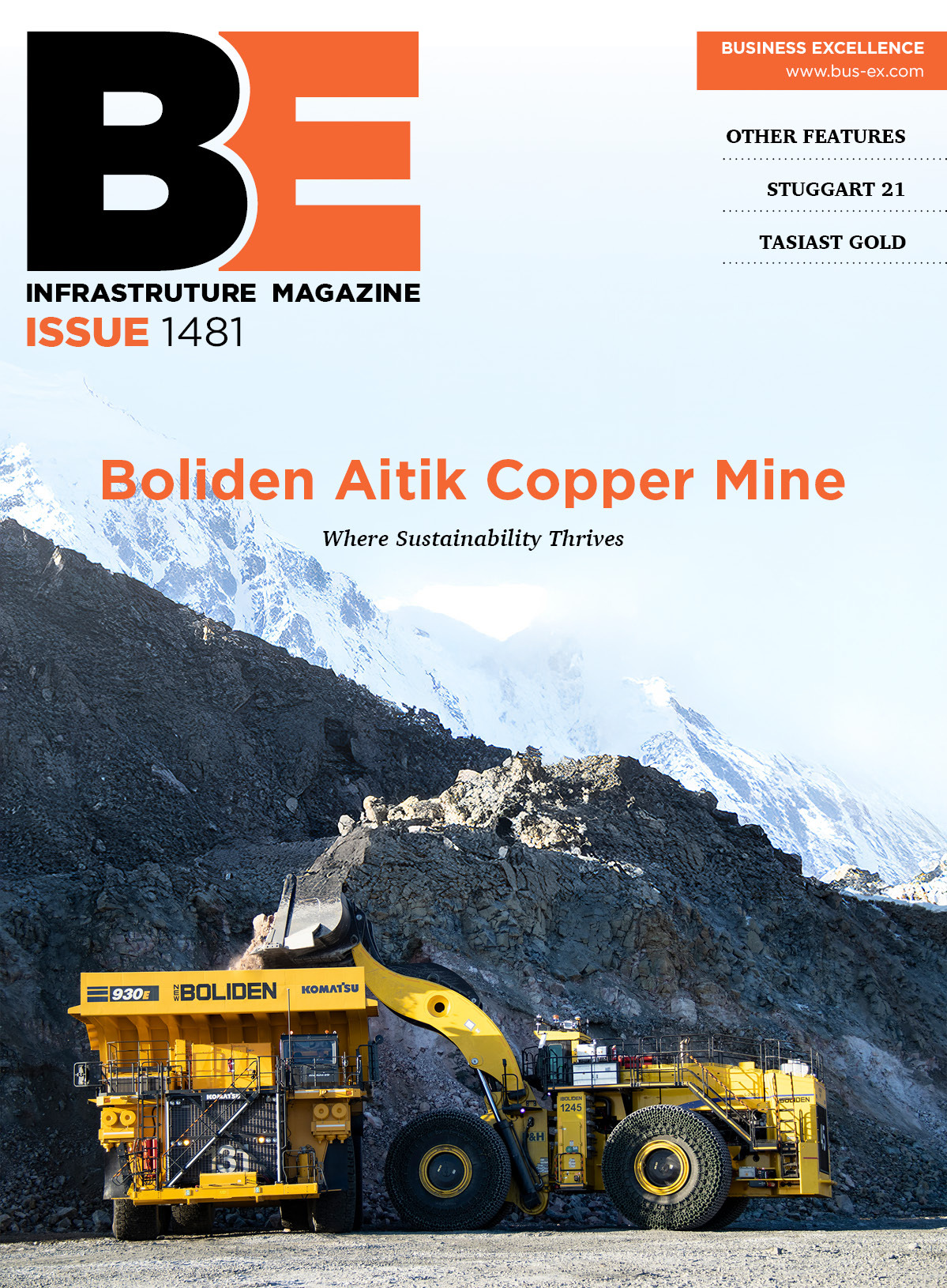
This Issue features some of the most exciting projects and companies across the globe including Boliden AB Sweden, Stuggart 21, Shanta Gold, The Telt Project and many stories from across the globe.