A ray of Sundyne┬áSundyne Corporation is a company with a long heritage and advanced, market-leading products, as Ruari McCallion learns from company president Phil Ruffner. If you go to a process industries facility, youÔÇÖll find pumps all over the place. The same is true at a drug production plant or a food-processing factory. They are so widespread that one could think they were on the verge of commoditization. So it may be a little surprising to find a company making a good living selling quite a modest amountÔÇösay, 7,500 units a year. Sundyne Corporation is doing exactly that.┬áÔÇ£Our main business is the design and supply of process pumps and compressors for refineries and petrochemical plants,ÔÇØ says Phil Ruffner, president of Sundyne, which is based in Arvada, Colorado, about 15 miles from Denver. ÔÇ£The process industries make up around 66 percent of our businessÔÇöand over half is in international marketsÔÇöbut we also sell to pharmaceutical companies and some high-end products for the food and beverage industries.ÔÇØ These are rather special pieces of equipment.ÔÇ£Our pumps are very low flow and very high pressure,ÔÇØ says Ruffner. ÔÇ£ItÔÇÖs relatively easy to have one or the other, but getting both is a challenge. And itÔÇÖs a relatively small area within a $22 billion industry.ÔÇØ Sundyne is known in the marketplace as a ÔÇ£high-speed pump company,ÔÇØ but that is inaccurate; itÔÇÖs a high-pressure, low-volume pump company. Its pumps are important within refinery operations, particularly for handling high-temperature and volatile liquids at high pressure. The original company, named Sundstrand, was formed in the early 20th century. It established an aerospace division in 1948, and Sundyne was established as a division in 1973. Sundstrand was acquired by United Technologies (UTC) in 1999. With an aerospace heritage, it would be logical to conclude that SundyneÔÇÖs technological advantage is embedded in special alloys. Not so.ÔÇ£Sixty-five percent of our materials are relatively standard stainless steel, though we also use Inconel and other exotic alloys. But we achieve the pressures through a special gearbox, which is derived from aerospace applications,ÔÇØ Ruffner says. ÔÇ£We took the technology, industrialized it and simplified the manufacturing processes wherever possible. We can probably manufacture gears more effectively than anyone; weÔÇÖre able to keep costs down at a level that makes it very difficult for competitors.ÔÇØ Sundyne pump systems also make very efficient use of space, which is a significant consideration in an offshore rig, for example; it can fit applications into a 15-square-foot footprint that competitors would need much more room for. The achievement of such an advanced level of production and efficient design did not happen overnight; it goes back to SundyneÔÇÖs early days.ÔÇ£The company put focus on manufacturability early in the design process, and that has served the company very well,ÔÇØ says Ruffner. ÔÇ£We apply lean manufacturing tools, we went through MRP II, TQM and so on, and weÔÇÖre very much part of the lean movement, but the things the guys in charge did with automation and programming techniques 30 years ago are still serving us well today. They were brilliant, just brilliant.ÔÇØ Necessity is often the mother of invention, and the drive to control costs through elimination of waste and employee involvement and empowerment came, at least in part, from the reality that the company did not have massive resources to throw at the project. It was niche then, as it is nowÔÇöthough its payroll of 1,100 worldwide (around 600 in the US) speaks to a larger organization. Sundyne revenue points to significant value-add activity. High skill levels among the employees are therefore to be expected; involving them in design and development is the sensible option. SundyneÔÇÖs pumps are very likely to be ÔÇ£specialsÔÇØÔÇöno two applications are entirely alike, so no two pumps are precisely alike in all their facets. What the company has managed to achieve is a process whereby it can have millions of variations but still apply common processes to produce them.ÔÇ£We were using design for manufacture before the phrase emerged,ÔÇØ says Ruffner. ÔÇ£The guys back in the 1970s developed something called ÔÇÿparametric programming.ÔÇÖ We can have one part in a machine with possibly millions of different configurations, yet we maintain a standard set of routings. We work on the basis that all the parts will have several core characteristics and certain characteristics driven by specific customer requirements. The differences are embedded in the part numbers; the machine is programmed to make the part individually. We have 75 standard routings; parametric programming takes thousands of different parameters and aggregates back up. ItÔÇÖs a bit like the code within the drivers of your computer screen; an action drives the cursor on the screen, but you can make lots of variations of it. The same principle allows us to make hundreds of thousands of variations without generating a new routing for each one. The fewer times you have to mess around with routings, the less likely mistakes are to occur.ÔÇØ Millions of possible different products have been aggregated back to core characteristics. The second drive to advantage is UTCÔÇÖs ACE (Achieving Competitive Excellence) program. ÔÇ£ACE is similar to Six Sigma, but itÔÇÖs simpler and not as statistically driven,ÔÇØ he says. ÔÇ£It has four levels, and the fourth is driven by the customer; itÔÇÖs very hard to attain. But we have found that the implementation of ACE has given us huge cost and waste advantages.ÔÇØ The ongoing focus remains customer service, driven by employee commitment.ÔÇ£We believe in the value of our employees as business people, not just cogs in the machine,ÔÇØ says Ruffner. ÔÇ£WeÔÇÖre a caring business; we recognize we canÔÇÖt do without the long-term health and benefit to our employees. They are as important as our financial goals. My personal vision is that Sundyne is the company our childrenÔÇÖs children will work for, in an atmosphere of fun, invention and security.ÔÇØ ÔÇô Editorial research by Kristina Partaledis┬á


Sundyne Corporation
LATEST MAGAZINE
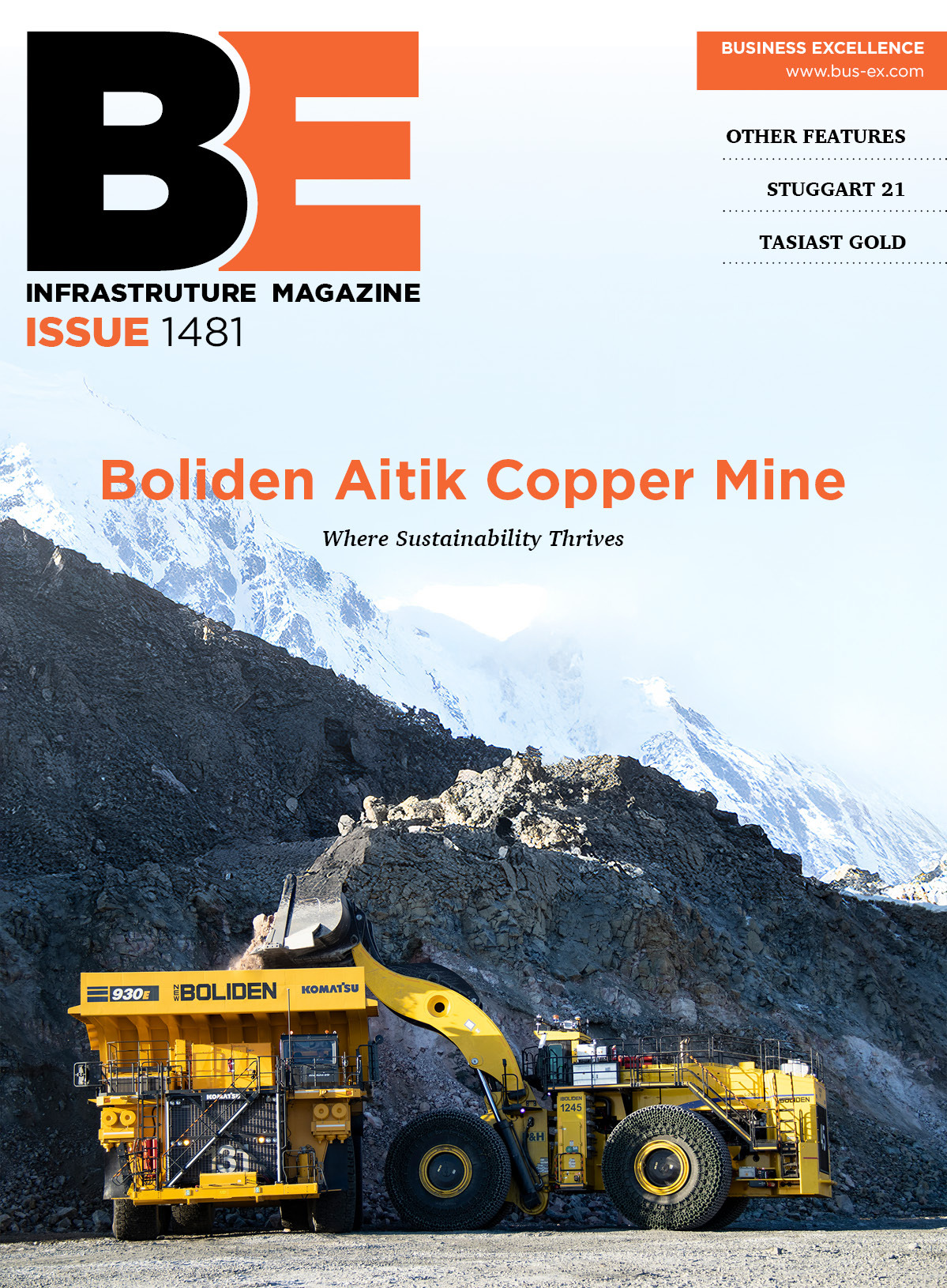
This Issue features some of the most exciting projects and companies across the globe including Boliden AB Sweden, Stuggart 21, Shanta Gold, The Telt Project and many stories from across the globe.